CBD vs. CBG vs. CBN: Unlocking the Unique Potential of Minor Cannabinoids
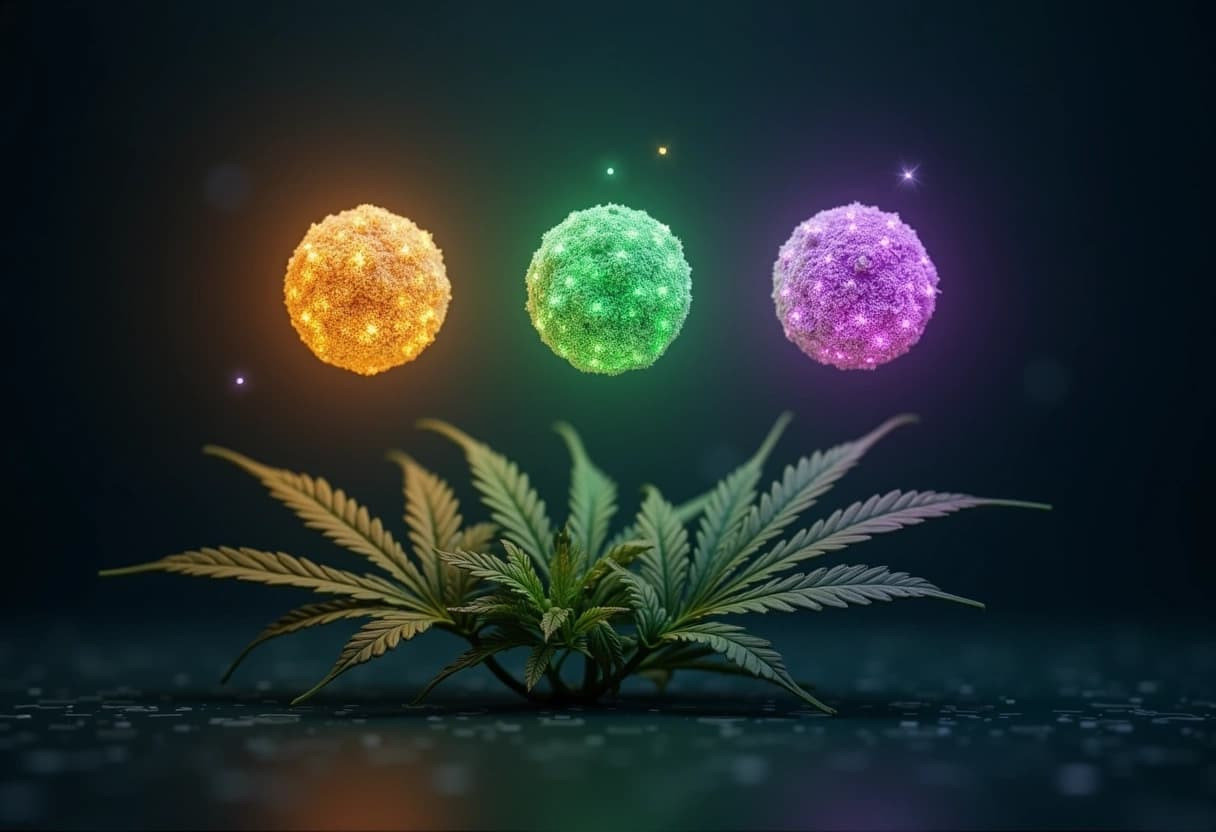
Explore the fascinating world of CBD, CBG, and CBN. Learn how these distinct cannabinoids interact with your body and their potential wellness benefits.
Discovering the Diverse World of Cannabinoids Beyond CBD
In the rapidly evolving landscape of natural wellness, cannabinoids have taken center stage. For many, CBD (Cannabidiol) has become a household name, celebrated for its wide range of potential benefits without the intoxicating effects associated with THC. However, the cannabis plant is a treasure trove of over a hundred different cannabinoids, each with its own unique properties and mechanisms of action. As research advances, two other intriguing compounds are gaining significant attention: CBG (Cannabigerol) and CBN (Cannabinol).
While CBD has paved the way, understanding the nuances of these other minor cannabinoids can help you make more informed choices for your wellness routine. This comprehensive guide will delve into what CBD, CBG, and CBN are, how they differ, their potential wellness applications, and why the synergistic “entourage effect” matters. We’ll also equip you with a smart buyer’s guide and look ahead at emerging research trends.
Understanding Cannabinoids: A Brief Overview
Cannabinoids are naturally occurring chemical compounds found in the cannabis plant. When consumed, they interact with the body’s endocannabinoid system (ECS), a complex cell-signaling system that plays a crucial role in regulating a wide array of physiological processes, including mood, sleep, appetite, pain sensation, and immune response.
The ECS consists of endocannabinoids (produced by the body), cannabinoid receptors (CB1 and CB2, found throughout the brain and body), and enzymes that break down endocannabinoids. Cannabinoids from the cannabis plant, known as phytocannabinoids, mimic our body’s own endocannabinoids, influencing the ECS and potentially helping to maintain balance within the body.
CBD (Cannabidiol): The Well-Known Contender
CBD is perhaps the most recognized non-intoxicating cannabinoid. It’s abundant in hemp plants and has garnered immense popularity due to its extensive research and reported wellness applications.
How CBD Works
- Indirect Interaction: Unlike THC, CBD does not directly bind strongly to the CB1 and CB2 receptors. Instead, it interacts with the ECS in a more indirect and modulatory way.
- Multiple Pathways: Research suggests CBD may influence other non-cannabinoid receptors and ion channels, such as serotonin receptors (5-HT1A, which plays a role in mood and anxiety) and vanilloid receptors (TRPV1, involved in pain perception).
- Enzyme Inhibition: CBD may also inhibit the enzymes that break down endocannabinoids, thereby increasing the levels of the body’s own cannabinoids.
Potential Benefits of CBD
Users and preliminary research suggest CBD may help support:
- A sense of calm and relaxation
- Management of everyday stress
- Comfort from minor aches and discomforts
- Healthy sleep cycles
- Overall balance and well-being
CBG (Cannabigerol): The “Mother Cannabinoid”
CBG is often referred to as the “mother” or “stem cell” cannabinoid because it is the precursor from which other major cannabinoids, including CBD and THC, are synthesized. In most cannabis strains, CBG is present in very low concentrations, making it a “minor cannabinoid,” but specialized breeding is increasing its availability.
How CBG Works
- Direct Interaction: Unlike CBD, CBG shows a more direct affinity for both CB1 and CB2 receptors, though its effects are non-intoxicating. It is thought to act as a partial agonist at these receptors.
- Beyond ECS: CBG also appears to interact with other receptors, such as alpha-2 adrenergic receptors (involved in blood pressure and sedation) and serotonin 5-HT1A receptors, which may contribute to its mood-regulating potential.
- Neuroprotective Properties: Early studies suggest CBG may possess neuroprotective qualities and influence GABA reuptake, a neurotransmitter that helps regulate nerve excitability.
Potential Benefits of CBG
Emerging research and anecdotal reports indicate CBG may help support:
- A balanced mood and focus
- Healthy inflammatory responses
- Support for digestive health
- Eye health (by potentially reducing intraocular pressure)
- Appetite stimulation in some cases
CBN (Cannabinol): The Sleepy Cannabinoid?
CBN is unique because it’s primarily formed as THC degrades over time when exposed to air and light. This means it’s often found in aged cannabis material. While it is derived from THC, CBN is only mildly intoxicating, if at all, especially in typical doses.
How CBN Works
- Mild CB1 Agonist: CBN has a weak affinity for the CB1 receptor, making it mildly psychoactive compared to THC, but its intoxicating effects are generally considered negligible.
- CB2 Receptor Affinity: It also shows some affinity for the CB2 receptor, suggesting potential roles in immune function and inflammatory responses.
- Synergistic Effects: CBN’s potential for relaxation and sleep support is thought to be enhanced when combined with other cannabinoids and terpenes, rather than solely due to its mild CB1 interaction.
Potential Benefits of CBN
CBN is most commonly explored for its potential role in:
- Promoting relaxation
- Supporting healthy sleep patterns
- Appetite stimulation
- Comfort from minor aches and discomforts
Key Differences and Similarities: CBD, CBG, and CBN
While all three are non-intoxicating (or negligibly so) cannabinoids that interact with the ECS, their origins, mechanisms, and primary potential benefits differ:
- Origin: CBD is abundant in hemp. CBG is the “mother” cannabinoid, a precursor. CBN is a degradation product of THC.
- Receptor Interaction: CBD interacts indirectly and broadly. CBG has a more direct affinity for CB1 and CB2. CBN has a mild affinity for CB1 and CB2.
- Primary Associations: CBD is widely associated with general wellness, balance, and managing everyday stress. CBG is being explored for mood balance, focus, and gut health. CBN is most commonly linked to relaxation and sleep support.
The Entourage Effect: More Than the Sum of Its Parts
The concept of the “entourage effect” suggests that cannabinoids, terpenes (aromatic compounds), and other plant compounds work together synergistically to enhance each other’s therapeutic potential. This means that a full-spectrum or broad-spectrum product, which contains a range of cannabinoids like CBD, CBG, and CBN, along with terpenes, may offer more profound effects than an isolated cannabinoid product.
When CBD, CBG, and CBN are present together, they may modulate each other’s actions, leading to a more comprehensive and balanced effect on the ECS. For example, the presence of specific terpenes alongside CBN might amplify its sedative properties, or CBG might enhance CBD’s anti-inflammatory potential. This synergy is a key reason why many users prefer products that harness the full complexity of the hemp plant.
Navigating the Market: A Smart Buyer’s Guide
Choosing the right cannabinoid product requires careful consideration. Here’s what to look for:
- Source and Quality: Opt for products made from organically grown, U.S.-sourced hemp. This minimizes exposure to pesticides and heavy metals.
- Extraction Method: CO2 extraction is generally preferred as it’s clean, efficient, and leaves no harmful solvents.
- Third-Party Lab Testing (COA): This is crucial. Reputable brands provide a Certificate of Analysis (COA) from an independent, accredited lab. The COA should confirm:
- The cannabinoid potency (levels of CBD, CBG, CBN, THC).
- Absence of contaminants (pesticides, heavy metals, mold, residual solvents).
- Product Type:
- Full-Spectrum: Contains all cannabinoids, terpenes, and flavonoids found in the hemp plant, including trace amounts of THC (under 0.3%). Best for the entourage effect.
- Broad-Spectrum: Contains a range of cannabinoids and terpenes but with THC removed to non-detectable levels. A good option for those who want the entourage effect without THC.
- Isolate: Pure CBD, CBG, or CBN. Lacks the entourage effect but is suitable for those who want to avoid other cannabinoids entirely or have specific dosage requirements.
- Dosage and Concentration: Start with a low dose and gradually increase until you find what works best for you. Pay attention to the total milligrams of cannabinoids per serving and per bottle.
- Company Reputation and Transparency: Choose brands with positive reviews, clear labeling, and readily available information about their sourcing and manufacturing processes.
- Consultation: If you have underlying health conditions or are taking other medications, it’s always wise to consult with a healthcare professional before incorporating cannabinoids into your routine.
The Future of Cannabinoid Research: 2025-2026 Trends
The landscape of cannabinoid science is rapidly expanding, with exciting developments anticipated in the coming years:
- Personalized Cannabinoid Medicine: Research in 2025-2026 is expected to move towards understanding individual genetic variations that influence how people respond to different cannabinoids. This could lead to personalized recommendations for specific cannabinoid profiles based on an individual’s ECS and health needs.
- Deeper Dive into Minor Cannabinoids: Beyond CBD, CBG, and CBN, scientists will increasingly focus on the therapeutic potential of other less-studied cannabinoids (e.g., CBC, THCV, CBDV), exploring their unique mechanisms and potential applications for specific conditions.
- Advanced Delivery Methods: Expect innovations in how cannabinoids are delivered, including enhanced bioavailability through nanotechnology, targeted topical applications, and more precise dosing mechanisms.
- Standardization and Regulation: As the market matures, 2025-2026 will likely see greater calls for and implementation of federal regulations, leading to more standardized product quality, labeling, and safety guidelines across the industry. This will build greater consumer trust and expand access.
- Synergistic Formulations: Further research will explore optimal ratios and combinations of cannabinoids, terpenes, and other plant compounds to maximize the entourage effect for targeted wellness outcomes, moving beyond simple full-spectrum products to highly specialized blends.
Conclusion
While CBD remains a cornerstone of the cannabinoid wellness movement, CBG and CBN are rapidly emerging as powerful allies, each offering distinct potential benefits. Whether you’re seeking general balance with CBD, support for mood and focus with CBG, or enhanced relaxation and sleep with CBN, understanding these compounds empowers you to make informed choices.
Remember the importance of the entourage effect and always prioritize quality, transparency, and third-party testing when selecting products. As scientific understanding continues to grow, the full potential of these fascinating plant compounds is only just beginning to be realized, promising an even more exciting future for natural wellness.

Will Clarkson is the founder and editor-in-chief of CBD Products Pro. With a background in biomedical science and over 5 years in the CBD industry, he oversees editorial standards and product testing methodology across all site content.