
Vape
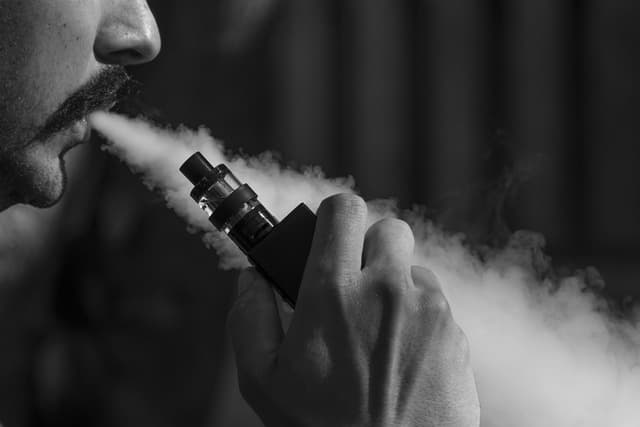
Interest in a healthier lifestyle keeps growing, pushing even longtime smokers to look for less risky alternatives. E-cigarettes and vapes ride this wave of popularity, promoted as modern substitutes for traditional smoking. These devices appeared not just to spare smokers from the toxic leftovers of cigarettes, but also to shield those nearby from harmful smoke. Pharmacists saw a new opportunity and took things further, rolling out medicinal vapes that claim to be safe while offering supposed therapeutic effects.
People often ask if CBD vapes actually do anything. The answer, we think, seems pretty solid: yes, they work. Maybe it’s surprising, or maybe not. It starts to make sense when you break down what a CBD vape contains. These devices deliver vaporized CBD oil, extracted from cannabis plants. When inhaled, CBD travels quickly into the bloodstream, bringing a package of active components. Experts refer to these as endocannabinoids or phytocannabinoids, which help manage both mental and physical functions in the body.
CBD, or cannabidiol, stands out among the natural compounds found in these products. Its short-hand, CBD, became the label for this type of treatment. Most CBD vapes contain only tiny traces of THC, the psychoactive ingredient that gives regular cannabis its reputation. Both CBD and THC connect to receptors in the body, which explains why CBD products have distinct physical and mental effects. Vapes offer a particular delivery method—options range from prefilled cartridges and disposable pens to liquids known as CBD vape juice. Some stick to pure CBD, while others come with a burst of flavor. Pens, compared to other vape formats, get praised for their affordability and convenience. Many users choose them not just for their effects, but for their trendy and sleek designs, blending health claims with fashion statements.
Unlike traditional cigarettes, CBD vape pens heat their contents more gently. This approach helps reduce the risk of overheating and cuts down the release of harmful combustion byproducts. The intention behind creating the CBD vape wasn’t just pleasure or promoting new habits. Early designs targeted specific needs, mainly improving the treatment of lung conditions and supporting asthma sufferers. The logic: vaping pushes CBD into the lungs fast, making the effects kick in more rapidly than if someone swallows a pill or oil.
Despite the original medical focus, CBD vapes come with the entire range of benefits linked to full-spectrum CBD. People use them to seek relief from pain, dial down anxiety, get better sleep, ease inflammation, and address a stack of other complaints. Research even points to something curious—CBD products might help curb addictions, including nicotine. Instead of provoking withdrawal, CBD tends to soften cravings and soothe nerves. More than that, vaping CBD can mimic the routines of smoking without the old risks. If you’re a social smoker, standing around with friends or pairing a vape with coffee won’t leave you exposed to the same old dangers.
The question of how vaping CBD makes a person feel always comes up. There’s no one-size-fits-all answer. People’s responses change based on genetics, frequency of use, tolerance, and the specific product. Reviews often talk up a sense of relaxation, pain relief, or eased anxiety, but those reports can’t capture an absolute truth. What stands out—according to multiple studies—is that vaping CBD gets it working faster than other delivery routes. For most, the main experience links to rapid relief, rather than intoxication.
Does vaping CBD get you high? For most vapes on the market, the answer leans toward ‘no.’ The law caps THC in CBD oil at 0.3 percent, barely enough for psychoactive effects. Still, there’s a caveat. If a person goes overboard, using one vape after another, THC can build up in the system and you might notice some mood changes. Moderation makes a difference. Too much, and maybe you’ll feel a little out of it. Most folks don’t push it that far.
Could vaping CBD cause harm? Most scientists agree these products stay relatively safe, rating vaping about 95 percent safer than normal smoking. Still, a five percent risk remains. Inhaling anything besides plain air comes with some danger. The lungs, first in line, can get irritated. While a single session may help, repeated use ups the risk of lung issues. Over time, regular vaping could pose problems—especially if you don’t actually need it for medical reasons.
Another risk comes from extra ingredients, like artificial flavors or cutting agents. Some add-ons in the manufacturing process carry higher risks than the CBD itself. Always check labels, look up the brand, and make sure the seller has proper credentials if you decide to order online. Reputable shops ship CBD widely, often for free.
One more challenge surfaced since the COVID-19 pandemic. Vaping, doctors warn, may increase the risk of more severe symptoms if someone contracts the virus. Because of this, healthcare professionals suggest reserving CBD vaping for cases where other options fall short, at least until pandemic-related dangers subside.
Published on: Oct 12, 2023
Expert perspectives
CBD inhalation delivers results quickly, but users should remain cautious about long-term lung exposure, especially with unregulated products. — Dr. Angela Myers, University of Colorado School of Medicine
Clinical trials show CBD vaping can relieve anxiety and inflammation, yet safety depends heavily on the purity and composition of the vape liquid. — Dr. Mark Townsend, Johns Hopkins Medicine
CBD vapes offer a promising alternative for those seeking to quit smoking, but the lack of standardized dosing complicates recommendations. — Dr. Philip Keller, Yale University
Frequently asked questions
Q? What distinguishes CBD vapes from traditional smoking?
A CBD vape delivers active cannabidiol without burning tobacco, reducing exposure to carcinogens and smoke byproducts. The vapor method offers rapid effects but different risks than cigarettes.
Q? Will using a CBD vape cause a high?
Commercially available CBD vapes contain less than 0.3% THC, so they don’t create a high. Very heavy use could tip the balance, but typical consumption rarely leads to intoxication.
Q? How quickly do CBD vapes work compared to other forms?
Inhaled CBD enters the bloodstream almost instantly through the lungs, often bringing effects within minutes—much faster than edibles or capsules, which rely on digestion.
Q? Are flavored CBD vape liquids safe?
Some flavorings or additives can irritate or harm lungs, especially if unregulated. Always check ingredients and choose products from reputable manufacturers.
Q? Does vaping CBD help with quitting nicotine?
According to research, CBD can ease withdrawal symptoms and cravings, making it easier for some people to quit nicotine, though results vary from person to person.