CBD Broad Spectrum VS Full Spectrum
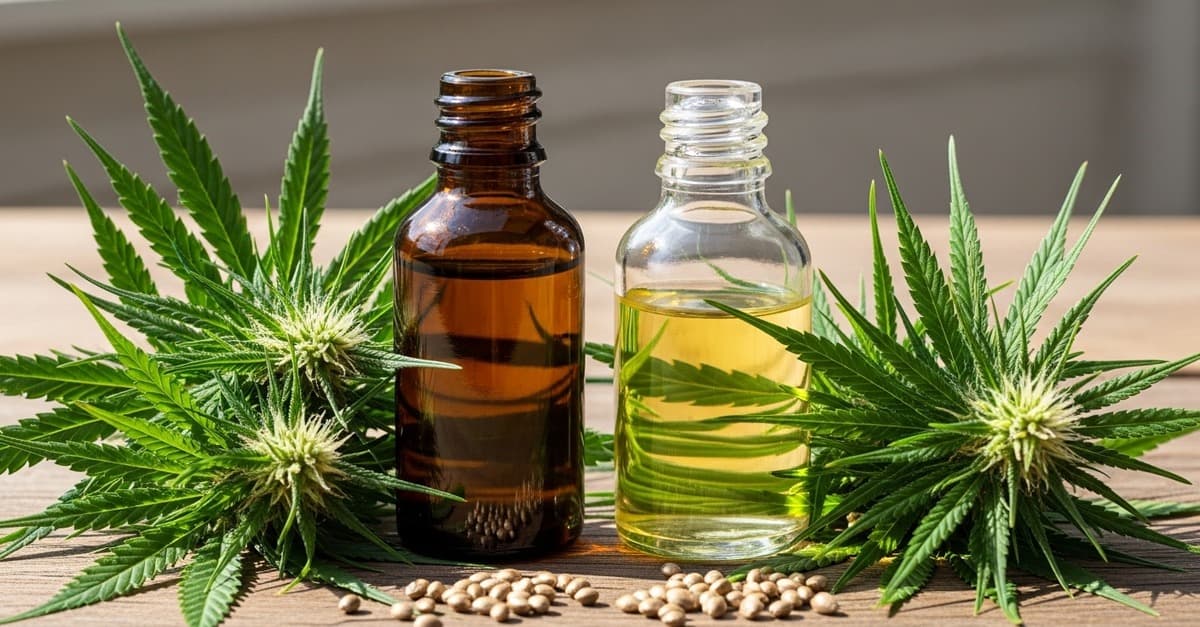
CBD Broad Spectrum vs Full Spectrum: Breaking Down the Differences CBD has surged into the mainstream, building hype, sparking hope, and, let’s face it, kicking up plenty of confusion. For anyone browsing dispensary shelves or scrolling through digital shops, jars and bottles marked “Broad Spectrum” or “Full Spectrum” seem to promise something distinct, but the […]
CBD Broad Spectrum vs Full Spectrum: Breaking Down the Differences
CBD has surged into the mainstream, building hype, sparking hope, and, let’s face it, kicking up plenty of confusion. For anyone browsing dispensary shelves or scrolling through digital shops, jars and bottles marked “Broad Spectrum” or “Full Spectrum” seem to promise something distinct, but the fine print often reads like test prep for a chemistry final. With the explosion of new CBD products, understanding labels has become its own skill.
First, let’s get a grip on what CBD is. Cannabidiol comes from the Cannabis sativa plant, but, unlike THC, CBD doesn’t produce a high. Instead, it’s earning a reputation for possible effects on anxiety, sleep issues, inflammation, and even rare seizure disorders. There’s research circling these claims, and plenty of interest. On store shelves, you’ll see products grouped as isolates, broad spectrum, or full spectrum. Isolate is straightforward—it’s just CBD, nothing else, no frills. Broad and full spectrum products, though, take things further. They’re built on the idea that CBD might work even better when combined with other cannabis compounds. Some call it the “entourage effect.” It’s an intriguing concept, but the verdict isn’t in yet.
What Sets Broad Spectrum and Full Spectrum CBD Apart?
Most of the time, the gulf between broad and full spectrum CBD comes down to one thing: THC. Here’s the breakdown:
- Full Spectrum: This variety includes all cannabinoids naturally found in cannabis, plus trace amounts of THC—always under 0.3% to comply with U.S. laws. Other compounds, like terpenes and flavonoids, tag along for the ride. These tiny chemicals shape the scent and flavor of the oil and may have health impacts of their own, though the evidence is still coming together.
- Broad Spectrum: Broad spectrum products keep the cannabinoids, terpenes, and flavonoids but go through an extra stage to strip away THC. The idea? You get nearly the full suite of plant compounds, minus the risk of THC exposure. For people skittish about THC—maybe it’s illegal in your state, maybe your job tests for it—broad spectrum offers an extra level of reassurance.
The presence or lack of THC isn’t just technical. For many, it’s personal, even political. Zero-tolerance work environments, state laws, or worries about intoxication push people toward broad spectrum. Others don’t mind trace THC, betting on the full blend for possible extra benefits.
Why This Distinction Means Something
Those who opt for full spectrum often point to the “entourage effect.” The theory holds that the plant’s compounds interact, nudging each other to boost effects or even cut down on side effects. According to research, mixing cannabinoids and terpenes may bring more powerful relief or change the body’s response compared to single-molecule CBD. Studies with chronic pain and epilepsy patients have sometimes shown better outcomes with full spectrum extracts over isolates. One analysis of cancer patients found those taking extracts containing both CBD and THC experienced more pain relief than those getting just one or the other. Another research group studying anxiety suggested CBD combined with other cannabinoids led to fewer side effects. Still, other scientists aren’t so convinced; some argue the whole “entourage effect” has ballooned as a marketing strategy, and much of the research leans heavily on anecdotes or early-stage animal studies. The jury’s out.
Broad spectrum products serve those who want most of the plant profile but can’t risk the faintest hint of THC showing up in a drug test—or in their system, period. Athletes, teachers, professional drivers, and others in strict workplaces say they prefer broad spectrum for exactly that reason.
Safety, Side Effects, and Drug Testing Risk
CBD, whether isolated or bundled with other cannabinoids, looks safe for most people. Still, it can interact with certain prescription drugs, especially those broken down by the liver. Full spectrum products add the variable of THC, which—even at legal trace levels—can build up with frequent use. That buildup sometimes means a failed drug test, despite the user feeling no high.
Broad spectrum tries to dodge that bullet. For those anxious about THC’s legal status or their own sensitivity, it’s usually the recommended route. Mild side effects sometimes pop up: people report dry mouth, sleepiness, appetite changes. Rarely, higher doses crank up dizziness or irritability. If you’re on blood thinners or any prescription, doctors say check first before diving in. CBD is not one-size-fits-all.
How Producers Make CBD Oils
Nearly every CBD oil starts life as a hemp extract. By law, hemp in the U.S. can’t have more than 0.3% THC. Producers harvest, extract, and refine the oil—sometimes repeatedly. To make full spectrum, they hold onto the entire range of extracted compounds. For broad spectrum, methods like distillation, chromatography, and winterization come into play to remove THC. That process isn’t perfect. Taking out THC while leaving everything else can twist the oil’s flavor, aroma, and even the thickness. Certain brands add terpenes or flavonoids back in, trying to rebuild the natural profile lost during processing.
Quality jumps all over the map. According to researchers, the only way to know what’s really inside is a certificate of analysis from a respected third-party lab. Trusted brands slap QR codes or links to test results right onto the packaging. Those reports show cannabinoid levels and screen for heavy metals, solvents, and pesticides. Anything less, and you’re rolling the dice.
Which Type Should You Pick?
Your choice depends on what matters most to you. If you’re wary of THC—maybe your job is strict, maybe your state bans it, or maybe unwanted effects worry you—broad spectrum stands out as the safer route. If you’re chasing the plant’s whole effect suite and don’t mind minuscule THC, full spectrum might be your game.
Flavor lovers usually point toward full spectrum; the taste leans earthy and robust. Broad spectrum can clock in with a lighter flavor, depending on the removal methods. Some say cost makes a difference. Broad spectrum often runs pricier because extra processing means more work. The right call comes down to your health needs, your risk tolerance, and local rules. Some start with broad spectrum, especially when they aren’t sure how sensitive they are to THC.
Where Does Isolate Land in the Mix?
CBD isolate wipes out everything but pure CBD—no other cannabinoids, no terpenes, no THC at all. Some like it for the consistency and super-precise dosing. It blends quietly into food, drinks, and skincare. Research suggests, though, that isolate might lack the boost that broad or full spectrum can bring. For those with allergies or hypersensitivity to other cannabinoids, isolate provides an option with less guesswork. The taste barely registers, and it fits snugly into almost any routine. Still, people looking for the “whole plant” experience sometimes find isolate underwhelming.
Red Flags to Watch For
Quality control in the CBD industry isn’t bulletproof. The FDA doesn’t police label claims, and some products marked “THC-Free” actually contain trace amounts. Without lab reports, there’s no guarantee. Smart buyers dig for transparency—lab results, origin stories, safety checks—before they ever put CBD in a cart.
Expert perspectives
Dr. Elena Marquez, a cannabinoid researcher at the University of Colorado, says, “The real difference lies in the presence or absence of THC, and even small amounts can have an impact, not just legally but physiologically. Anyone making a choice between these products should really look at third-party lab data.”
“Many patients ask about the entourage effect. The evidence points toward some benefit of combining cannabinoids, but there’s a lot we still don’t understand,” says Dr. Martin Asher, clinical pharmacologist at Johns Hopkins Medicine.
According to Dr. Priya Khandekar, who studies cannabis therapies at Toronto General Hospital, “Lab transparency is the most important thing. People think ‘broad spectrum’ always means THC-free, but that’s not always true. Check the data, not just the label.”
Frequently asked questions
Q? What is the main difference between broad spectrum and full spectrum CBD?
A: Full spectrum contains all cannabinoids, terpenes, and trace THC found in hemp. Broad spectrum removes THC while keeping most other plant compounds.
Q? Can either type make me fail a drug test?
A: Full spectrum CBD might result in a positive drug test, especially with frequent use. Broad spectrum reduces the risk, but trace amounts of THC could still be present in poorly tested products.
Q? Is broad spectrum safer than full spectrum?
A: In terms of avoiding THC, broad spectrum is generally safer. Both types can cause minor side effects, and both can interact with medications.
Q? Will I get ‘high’ from full spectrum CBD?
A: Not likely. Legal full spectrum CBD products contain very little THC (under 0.3%), which is not enough to cause intoxication.
Q? How should I check if a CBD product is high quality?
A: Look for third-party lab results, either online or through a QR code on the package. Reputable brands always provide proof of what’s in the bottle.
5 / 5 (2)

Steve Perry is a health and wellness journalist with over 8 years of experience covering the CBD industry. He specializes in product reviews, cannabinoid research, and evidence-based guides that help consumers make informed choices. Based in Portland, Oregon.