
Benefits of CBD
CBD is one of the most discussed remedies today — and for good reason. Against the backdrop of its remarkable effects, even the most open-minded consumers cannot help but question whether everything said about it is true. Let us guide you through the most common questions and dispel all your concerns.
So, does CBD do anything?
Just after hearing the words "cannabis," "hemp," and "marijuana," people raise the core question: "How is it possible that something from these plants can be a wellness supplement?" Before explaining the effects of CBD, we want to emphasize that the quality and dosage of any supplement matter greatly — and CBD is no exception.
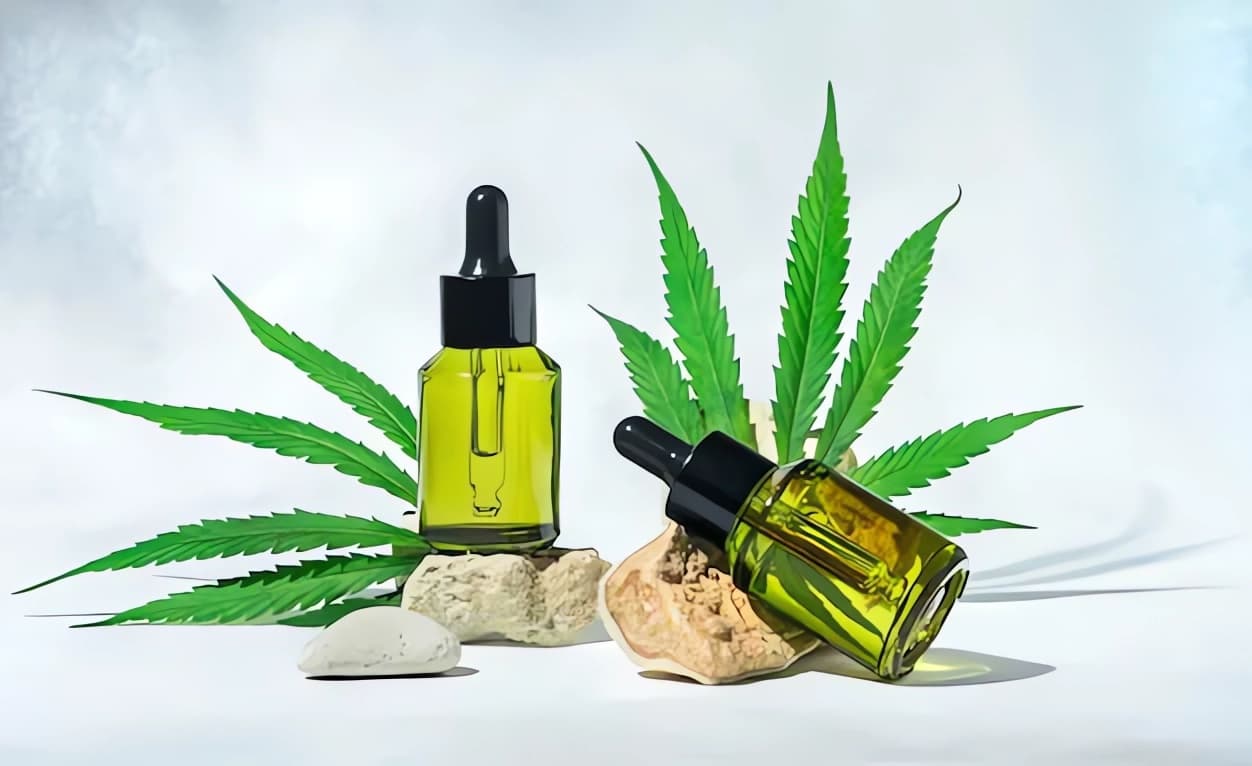
Coming from these plants, CBD is not about getting you high. A single compound with a notorious reputation — tetrahydrocannabinol (THC) — is accompanied by its safe counterpart, cannabidiol (CBD), which plays a surprisingly beneficial role for the human body.
Both are natural endocannabinoids sharing the same nature as those produced by the nervous system, fulfilling the function of natural managers of the majority of bodily processes. Considering that the endocannabinoid system influences many functions — from pain perception to mood regulation — CBD products have become a popular wellness supplement, though research is still ongoing.
Key Health Benefits
Pain Relief
Supporting comfort is one of the most commonly cited reasons people use CBD. Many users report that it helps them manage everyday discomfort, muscle soreness, and joint stiffness. While preliminary research is exploring CBD's potential role in pain management, more clinical studies are needed.
Anxiety & Mental Health
CBD is commonly associated with calming properties. Many users report that it helps them manage everyday stress and promotes a sense of relaxation without sedative effects. While some preliminary studies have explored CBD's potential role in supporting mental wellness, these findings are not conclusive and should not replace professional medical advice.
Metabolism & Wellness
The endocannabinoid system's involvement in metabolic processes has led to growing interest in CBD for general wellness support, including skin health and digestive comfort. Many users incorporate CBD as part of a holistic approach to supporting overall balance in the body.
When considering all these health benefits, one is unlikely to worry about CBD's botanical origin — especially since it does not cause any significant side effects. The cannabis plant happens to be the only natural source of such valuable elements.
How does CBD work in the body?
To answer this question, one should understand what endocannabinoids are. These are molecules in the human body that bind to receptors controlling vital functions and natural responses. Endocannabinoids can be called mediators — they receive signals and influence responses.
Acting this way, they can block the production of potentially harmful chemical elements, regulate hormone levels (including serotonin), and control the concentration of different compounds. They serve as a communication bridge between receptors.
The nervous system generates these communicators on demand, so their amount varies depending on the system's capacity. Dysfunctions and disorders can provoke a lack of natural endocannabinoids. At that critical moment, phytocannabinoids from CBD step in to take responsibility for all these functions — preventing the chemical chaos otherwise known as illness.
Enters the Body
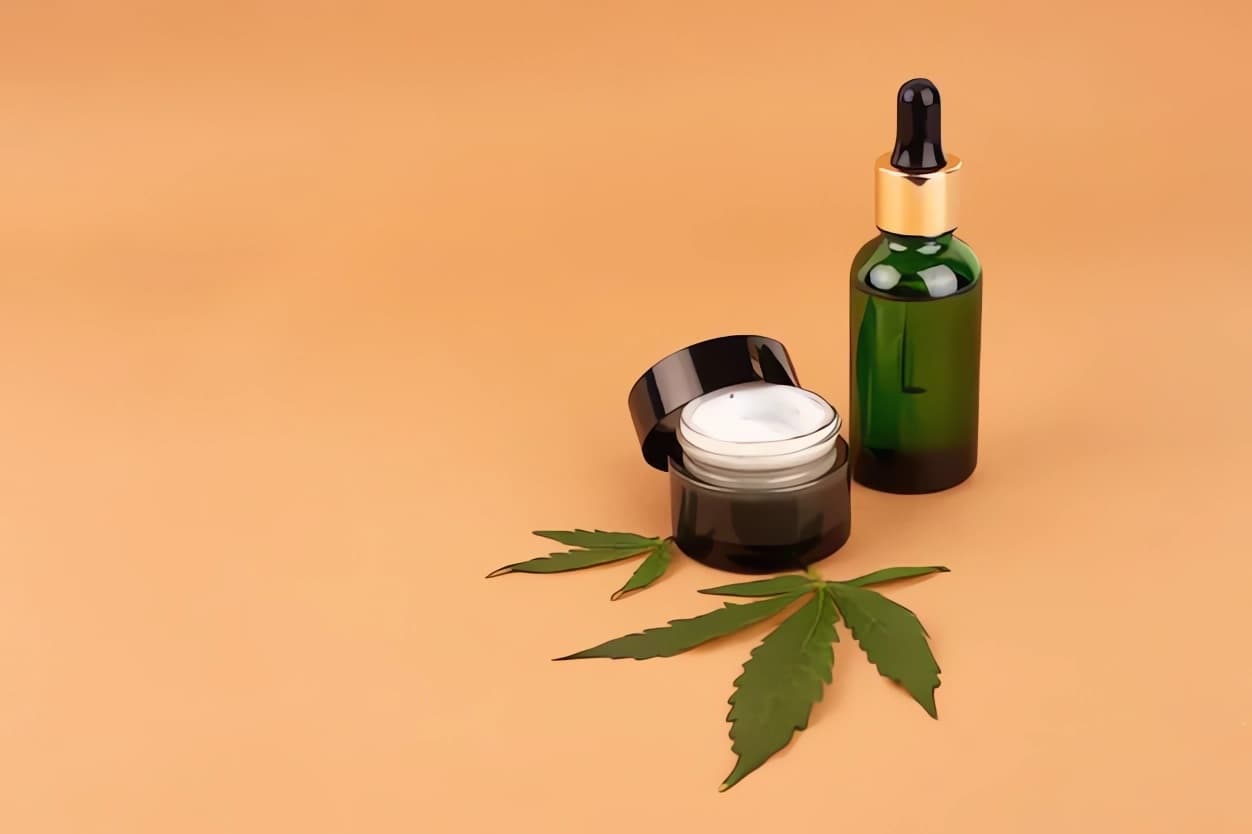
CBD is absorbed through sublingual, oral, topical, or inhalation methods
Binds to Receptors
Interacts with CB1 and CB2 receptors in the endocannabinoid system
Restores Balance
Compensates for endocannabinoid deficiency and normalizes body functions
Will CBD show on a drug test?
The dose of CBD matters. According to medical advice and legislative norms, you should not take products with a THC concentration exceeding 0.3 percent. THC is the only component that can lead to CBD products being identified as a drug.
Although compounds for CBD products are extracted from industrial hemp, which has a much lower level of THC compared to ordinary hemp, trace amounts can still be present. However, if you take a high-quality product from a reputable producer, you should not worry about a drug test.
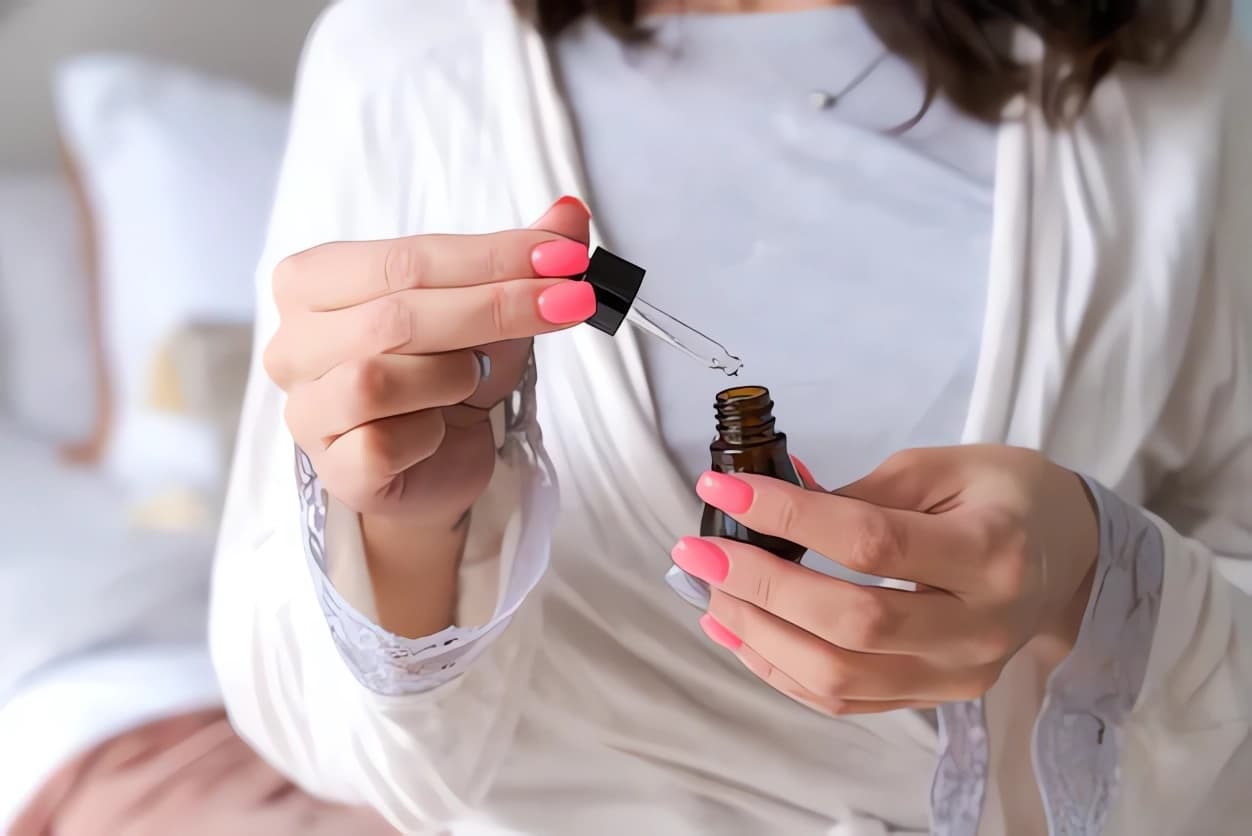
Why do we say "in the majority of cases"? Because individual factors such as weight, metabolism, and treatment plan can influence the concentration of THC in your body. If you want THC to remain undetectable, you should stop taking CBD products at least three days before a test.
The only solution for those who need to be "clean" at all times is to prefer CBD isolate, which contains no THC — only pure cannabidiol.
CBD at a Glance
Experience the Benefits of CBD
Browse our curated selection of premium CBD products — oils, capsules, gummies, topicals, and concentrates from trusted brands.
Shop CBD Products