CBD Isolate: The Purest Form of Cannabidiol
CBD Isolate: The Purest Form of Cannabidiol Across the United States, CBD has slipped into daily regimens. Wellness advocates, curious folks, and skeptics alike keep asking what exactly sets CBD isolate apart from other products on the shelves. Isolate presents itself as pure cannabidiol—stripped of terpenes, other cannabinoids, and plant extras—plucked from cannabis or hemp, […]
CBD Isolate: The Purest Form of Cannabidiol
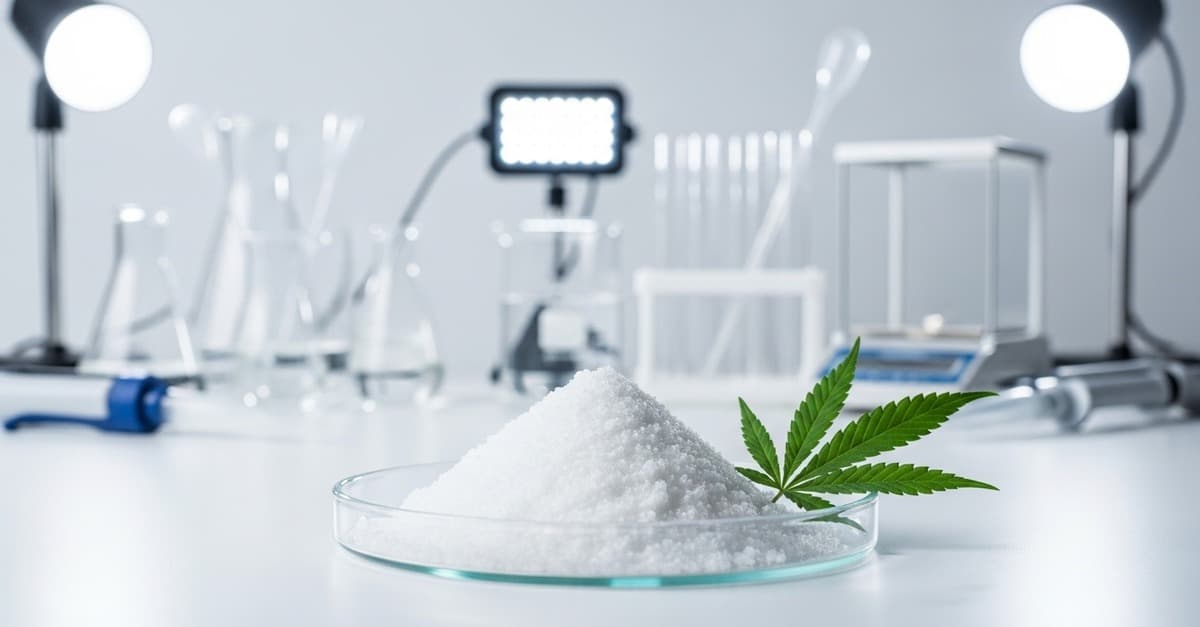
Across the United States, CBD has slipped into daily regimens. Wellness advocates, curious folks, and skeptics alike keep asking what exactly sets CBD isolate apart from other products on the shelves. Isolate presents itself as pure cannabidiol—stripped of terpenes, other cannabinoids, and plant extras—plucked from cannabis or hemp, refined into a snow-white or off-white crystalline powder. Some praise its straightforward nature, but the conversation runs deeper.
What Is CBD Isolate?
CBD products usually break into three types. Full-spectrum extracts keep all cannabinoids, with less than 0.3% THC sticking around. Broad-spectrum removes THC but keeps a cocktail of other compounds. CBD isolate, by contrast, exists as nothing but cannabidiol—no extras, no frills, just a single molecule. Producers extract it from the plant, push it through various refining methods like winterization and filtration, then toss in a round or two of chromatography for extra purity, according to research. The result? White crystals often testing at or above 99% purity. That kind of number feels more at home in pharmaceuticals than in grocery aisles.
Why Choose CBD Isolate?
People reach for CBD isolate for a handful of reasons. Some want to dodge THC entirely, maybe they’re hypersensitive, worried about drug screenings at work, or simply avoiding any hint of psychoactivity. Isolate offers that no-guesswork guarantee—no THC means no risk of a surprise on a urine test, or so the studies say. There’s also a psychological comfort: knowing exactly what’s in the jar, nothing hidden. No earthy taste, no surprise odors, just a blank slate that mixes into drinks, food, or skincare without a trace.
How Is CBD Isolate Made?
The process kicks off in the fields. Hemp or cannabis gets harvested, then extracted with either CO2 or ethanol. The initial extract—crude oil—contains a messy mix of cannabinoids, plant waxes, and everything else. Through repeated distillation and decarboxylation (heating to activate the CBD), impurities drop out, layer by layer. Winterization chills everything, pulling fats out of solution. Filtration clears up the remaining solids. Chromatography, that tool borrowed from medical labs, isolates CBD with science-fiction precision. If all goes right, you’re left with powdery crystals—pure as it gets. Labs then run purity tests, checking for contaminants and verifying potency. Some consumers read these lab reports with a healthy dose of suspicion—maybe that’s wise. Independent verification keeps brands on their toes.
How Does CBD Isolate Work?
CBD operates through the endocannabinoid system, scattered throughout the human body. This network of receptors in the brain, immune system, organs—everywhere, really—seems to interact with cannabidiol, swinging mood, pain, sleep, and inflammation one way or another. Isolate delivers only that one active compound. The famous “entourage effect” of full- and broad-spectrum CBD, where compounds supposedly amplify each other’s effects, goes missing here. Some see that as a flaw. Others like the focus: just one clean molecule, nothing else fighting for the spotlight.
Potential Benefits and Limitations
People swap stories about the benefits of CBD isolate—stress relief, reduced pain, better shut-eye. Outcomes vary. Some users notice a shift, a gentle calm, or less discomfort. Others feel nothing. Scientists have floated the idea that stripping out other cannabinoids leaves isolate weaker for certain issues, maybe because of lost synergy or just personal biology. One thing’s certain: with zero THC, there’s no way to get high. The taste profile matters too. Full-spectrum oils can be earthy or bitter; isolate, on the other hand, remains almost tasteless, which some folks seriously prefer. Medical researchers appreciate the ability to measure doses with pinpoint accuracy, isolating the effect of CBD alone in clinical trials. But the flip side—no other cannabinoids—might mean a narrower range of possible outcomes. Studies suggest that cannabinoids and terpenes, working together, sometimes pull off more than CBD can manage solo. Isolate’s the lone wolf.
How to Use CBD Isolate
People get creative with CBD isolate. Some stir the powder into protein shakes, sprinkle it onto yogurt, or sneak it into salad dressings and coffee. It dissolves quickly into oils, making it an easy add-in for homemade balms or lotions. Gummies, tablets, vape liquids—the market keeps shifting. It fits into routines without drawing attention—no strong smells, no lingering aftertaste. Measuring doses down to the milligram appeals to athletes avoiding banned substances and pet owners microdosing treats for anxious dogs.
CBD Isolate Compared to Broad-Spectrum and Full-Spectrum CBD
The debate over isolate versus other extracts usually boils down to personal needs—and maybe a bit of trial and error. Full-spectrum fans champion the “whole plant” approach, a buffet of cannabinoids, terpenes, and flavonoids mingling. Some believe full-spectrum works better, especially for severe pain or anxiety. Broad-spectrum offers a middle ground: it preserves a blend of compounds while filtering out THC, steering clear of legal gray areas and psychoactive concerns. With isolate, the approach skews surgical—uncluttered, tasteless, odorless, exact control over every milligram. People with allergies, strong reactions, or zero tolerance for THC often choose isolate. Yet research indicates isolate sometimes needs higher doses than full-spectrum for the same result, a possible effect of missing synergy. Not everyone cares about the plant’s other compounds though; some just want simple, predictable relief.
Shopping for CBD Isolate
Brand quality varies. Reputable companies release third-party lab reports for each batch—if the label says “99% pure,” the paperwork should confirm it. Transparent supply chains help: know where the hemp grew, what techniques and solvents went into extraction. Shoppers sometimes look for certified-organic or U.S.-grown hemp because farming practices can shift quality. Read ingredient lists. Some “isolate” products sneak in carrier oils or sweeteners. Purer isn’t always what you get. Dirt-cheap isolate might signal cut corners during production—maybe spending a little more means safer, cleaner CBD in the end. Scrutiny pays off.
Safety, Side Effects, and Legal Status
Most people take CBD isolate without trouble. Some report dry mouth, fatigue, or mild stomach discomfort. Rarely, changes in mood or appetite show up. At low to moderate doses, serious side effects seem unlikely. Published research shows CBD isolate won’t cause intoxication or euphoria. Legal frameworks remain pretty clear: hemp-derived CBD isolate, with no THC, fits within U.S. regulations in most places.
Expert perspectives
“CBD isolate offers a unique advantage for patients who need precise dosing and wish to avoid THC entirely, but some evidence points to better therapeutic outcomes with full-spectrum options.”
— Dr. Lena Matthews, cannabinoid researcher, University of California, Davis
“In clinical studies, isolate lets us accurately measure how pure CBD interacts with the body without the background noise of other cannabinoids.”
— Dr. Eric S. Mundy, pharmacologist, New York Institute of Technology
“People need to be cautious and demand lab results. Purity standards and transparent sourcing help ensure safety, especially in an industry growing as quickly as this one.”
— Dr. Marissa Gold, medical cannabis advisor, Chicago Integrative Medicine
Frequently asked questions
What does CBD isolate look like?
It usually comes as a white or off-white powder, sometimes appearing as tiny crystals. No scent, almost no taste.
Can CBD isolate make you fail a drug test?
No, if it’s pure. Studies say isolate contains no THC, so it shouldn’t trigger a positive result. Always check third-party lab results, just in case.
How do you use CBD isolate powder?
Mix it into food, drinks, or skincare products. You can also dissolve it in carrier oils, capsules, or use it for DIY edibles.
Is CBD isolate legal everywhere?
If it comes from hemp and contains zero THC, most U.S. states allow it. Some countries or states enforce stricter laws, so it pays to double-check local regulations.
Does CBD isolate work for anxiety or pain?
Some users report relief, but real effects vary person to person. Scientists suggest the absence of other cannabinoids could limit the benefits for certain conditions.
5 / 5 (1)

Steve Perry is a health and wellness journalist with over 8 years of experience covering the CBD industry. He specializes in product reviews, cannabinoid research, and evidence-based guides that help consumers make informed choices. Based in Portland, Oregon.