CBD and Anxiety: What Does the Research Say?
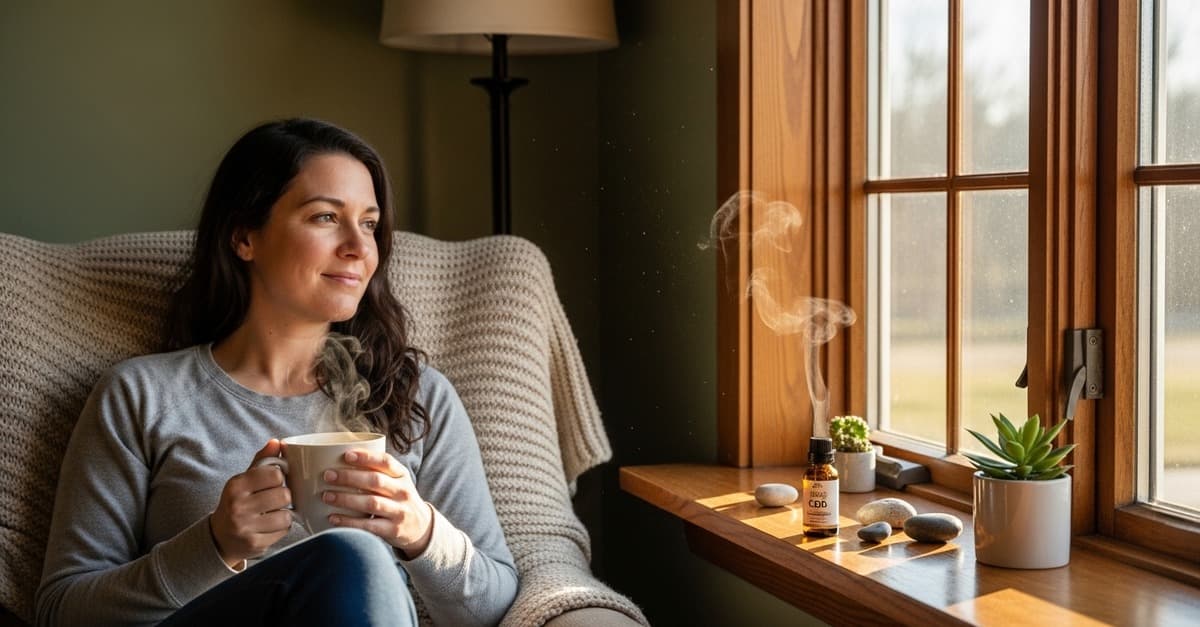
CBD and Anxiety: What Does the Research Say? Walk into almost any pharmacy, grocery store, or gas station in the US, and chances are you’ll spot CBD tucked onto a shelf. Cannabidiol, its full name, has picked up steam over the last decade with people hoping for help — sometimes a better night’s sleep, maybe […]
CBD and Anxiety: What Does the Research Say?
Walk into almost any pharmacy, grocery store, or gas station in the US, and chances are you’ll spot CBD tucked onto a shelf. Cannabidiol, its full name, has picked up steam over the last decade with people hoping for help — sometimes a better night’s sleep, maybe less pain, maybe fewer anxious thoughts. Among all these promises, anxiety stands out. Scientists, doctors, and regular folks have focused on whether CBD could offer relief. The research? It’s complicated. Maybe the story isn’t as neat as those glossy ads make it seem.
The backstory of CBD gets tangled fast. Extracted from Cannabis sativa — same plant family as marijuana and hemp — CBD doesn’t create the high tied to THC. That difference didn’t dim the hype. After Congress approved hemp-derived CBD in 2018, CBD products quickly spread everywhere and researchers got a green light to investigate. CBD’s popularity keeps climbing, but the pace of scientific study still trails behind.
Anxiety disorders touch over 40 million adults in the country, according to the National Institute of Mental Health. That’s about one out of every five people. Many current medications bring their own baggage: unwelcome side effects, mixed results, or both. CBD first entered the anxiety conversation after cannabis users started reporting lower anxiety. It led scientists to ask if CBD might deserve the credit, especially once it’s separated from the mind-altering parts of cannabis. The question now: Are people seeing real results, or is hope getting ahead of fact?
How Does CBD Act in the Body?
Our bodies make their own cannabinoids, chemicals that help set the mood, manage pain, influence sleep, and regulate appetite. This network — the endocannabinoid system — operates like a kind of traffic controller. Researchers think CBD affects this system, but the details are still fuzzy. Evidence points to CBD interacting with serotonin pathways, which happen to be the target for some antidepressant drugs. Animal experiments show CBD dialing down behaviors linked to fear and stress. It doesn’t hook into the brain’s cannabinoid receptors like THC does; instead, CBD seems to nudge other chemical messengers.
One example: CBD might raise anandamide levels — sometimes called the “bliss molecule.” Another theory? It tweaks receptors that help manage mood, like the 5-HT1A serotonin receptor. Still, what works in a mouse doesn’t always translate to humans. Sorting out exactly how CBD works inside the brain? That’s still a work in progress.
What Do Clinical Trials Reveal?
The number of human studies on CBD for anxiety has jumped lately. But the evidence? Still scattered. Some studies test small groups, some cover hundreds. Some run a day; others stretch a few weeks. Among the better-known trials, a Brazilian study stands out. Researchers gave people with social anxiety either 600 milligrams of CBD or a placebo before tackling public speaking. Results? Those on CBD felt less anxiety and even showed lower blood pressure and heart rates.
Other studies have looked at generalized anxiety, PTSD, panic disorder, and sleep problems linked to anxiety. Some find real benefits: people sleep better and report less anxiety. A handful show almost no difference from placebo. Dosage jumps all over the map — sometimes as little as 25 mg, sometimes over 1,000 mg per day. Most research lasts a matter of weeks, not months. This patchwork makes sweeping statements impossible. NYU researchers point out that trial quality is mixed, with plenty lacking proper controls or blinding.
Reports From Day-to-Day Users
Outside the lab, personal stories flood in. Some users say a dose of CBD feels like a cozy blanket for their nerves. Others shrug — no change. Polling from the Brightfield Group shows that anxiety edges out pain and sleep as the top reason adults give CBD a go. Half of those polled notice a difference. Still, personal stories and survey results can’t substitute for the rigor of clinical trials. Belief and expectation may have more sway than many want to admit.
Honestly, with anxiety, placebo effects run high. Some studies show people feel better after a sugar pill — almost like they did with CBD. The simple act of expecting calm might generate its own results. Even for seasoned clinicians, it’s tough to draw a bright line between actual drug effects and the mind’s own tricks. CBD might help, but belief could be part of the package.
Is CBD Safe for Anxiety?
Look at side effects, and CBD generally gets a mild report card. Usual complaints: dry mouth, getting sleepy, maybe some stomach issues. According to current research, taking up to 1,500 mg per day doesn’t usually spark major problems over the short term. But long-term safety? The research just isn’t there yet. Caution sticks around.
CBD can tangle with some medications, like anticoagulants or certain anti-seizure drugs. The FDA warns that CBD might change how the body handles these drugs, raising risk for some users. Plus, doctors say pregnant or breastfeeding women should skip CBD until they know more. Another mess: labels. Product testing frequently finds bottles with dodgy labeling, unwanted THC, contaminants, or even heavy metals. Reputable companies using third-party testing can help, but there’s no guarantee.
Oils, Edibles, Smokables — How Do People Take CBD?
These days, anxious users try CBD in nearly every shape and flavor. Under-the-tongue oil tinctures remain the front-runner. Gummies, softgels, and chocolates hide CBD behind sweet flavors or easy pill forms. Vape pens and skin creams join the mix, though evidence for their anxiety-busting power trails behind. How you take CBD changes how fast and how long it works. Oils and vapes jump into action within minutes. Edibles and capsules need more time to ramp up but stick around in your system a bit longer.
Dosing’s a guessing game. Clinical trials often use 300 mg or more — way above the 10-40 mg you see on most store shelves. Some scientists believe smaller doses settle mild anxiety, while tougher cases might need bigger doses or might not budge at all. With no formal guidelines, people usually try different amounts and see what happens. Doctors still urge a chat before starting any new regimen.
CBD Versus Standard Anxiety Treatments
Prescription treatments for anxiety? The main ones include SSRIs, benzodiazepines, and talk therapy. SSRIs can take weeks to kick in and sometimes mess with sleep, weight, or libido. Benzodiazepines hit harder and faster, but bring risks, like addiction or tricky withdrawals. CBD? Most evidence says it isn’t addictive, and side effects are usually mild. That might explain why some people reach for it before pills, or use it alongside standard therapy.
Still, compared to established meds, CBD’s track record stays patchy. No large medical organization recommends CBD as a front-line treatment for anxiety. Some professionals see CBD as a possible add-on, not a substitute.
The Law and CBD — Murky Waters
Federal law now permits hemp-derived CBD with less than 0.3 percent THC, but regulation wobbles from state to state. The FDA has approved just one CBD drug to date — Epidiolex, prescribed for rare seizure disorders. Basically, nearly everything else stocked on store shelves floats in a legal gray area. Purity and dosage remain unregulated by federal authorities while state rules shift constantly.
Expert perspectives
“Current research shows promise, but we’re still working with limited, early-stage data when it comes to CBD’s ability to ease anxiety. Doses and results vary widely from one study to the next.” — Dr. Isabel Gutierrez, Department of Psychiatry, NYU Langone Health
“About half our patients who try CBD for anxiety report some benefit, but it’s impossible to separate real pharmacological effects from expectation and belief without more rigorous trials.” — Dr. Marc Lin, Clinical Psychologist, UCLA Anxiety Clinic
“CBD appears safe for most adults in the short term, though the long-term safety picture is still cloudy. Anyone considering CBD, especially alongside other medications, should discuss it with their healthcare provider.” — Dr. Priya Anand, Pharmacologist, Mayo Clinic
Frequently asked questions
Q? Can CBD make anxiety worse for some people?
A: Some people report feeling more anxious or restless after trying CBD, but this appears uncommon. Start with low doses and monitor your reaction.
Q? How long does it take for CBD to work on anxiety symptoms?
A: Oils and vapes may take effect within 30 minutes, while edibles and capsules can take 1-2 hours. Effects and timing differ for everyone.
Q? Can I use CBD with prescription anxiety medications?
A: CBD can interact with certain drugs, like SSRIs or blood thinners. Always talk to your doctor before combining CBD with any prescriptions.
Q? Is over-the-counter CBD tested for purity?
A: Not by federal regulators. Some brands use third-party testers, which can help. Always check for lab results before buying.
Q? Could CBD show up on a drug test?
A: Pure CBD shouldn’t trigger a positive test, but some products contain trace THC or contaminants. There’s a small risk of failing a drug screen.
5 / 5 (1)

Steve Perry is a health and wellness journalist with over 8 years of experience covering the CBD industry. He specializes in product reviews, cannabinoid research, and evidence-based guides that help consumers make informed choices. Based in Portland, Oregon.