
CBD Vape Pens vs. Cartridges: What's Actually in the Cloud?
The Ascent of Vaping CBD
In 2022, the global CBD vape market was valued at over $2.8 billion, a testament to its growing adoption among individuals seeking a rapid and efficient method for cannabinoid delivery. This significant market presence underscores a broader consumer interest in understanding not just the 'what' but the 'how' and 'why' behind their chosen CBD products.
As more individuals explore the potential benefits of cannabidiol, particularly through inhalation, questions naturally arise about the composition and safety of these popular devices. This guide aims to demystify the options, helping you navigate the world of CBD vape products with clarity and confidence.
Understanding CBD Vaping: The Basics
Vaping CBD involves heating a liquid containing cannabidiol to produce a vapor, which is then inhaled. This method allows for quick absorption of CBD into the bloodstream through the lungs, offering a faster onset of effects compared to edibles or tinctures.
The fundamental components of any CBD vaping setup include a power source (battery), a heating element (atomizer), and the CBD e-liquid itself. Understanding these basics is crucial before delving into the specific types of devices. To learn more about the general principles of CBD vaping, further resources are available.
Vape Pens: All-in-One Convenience
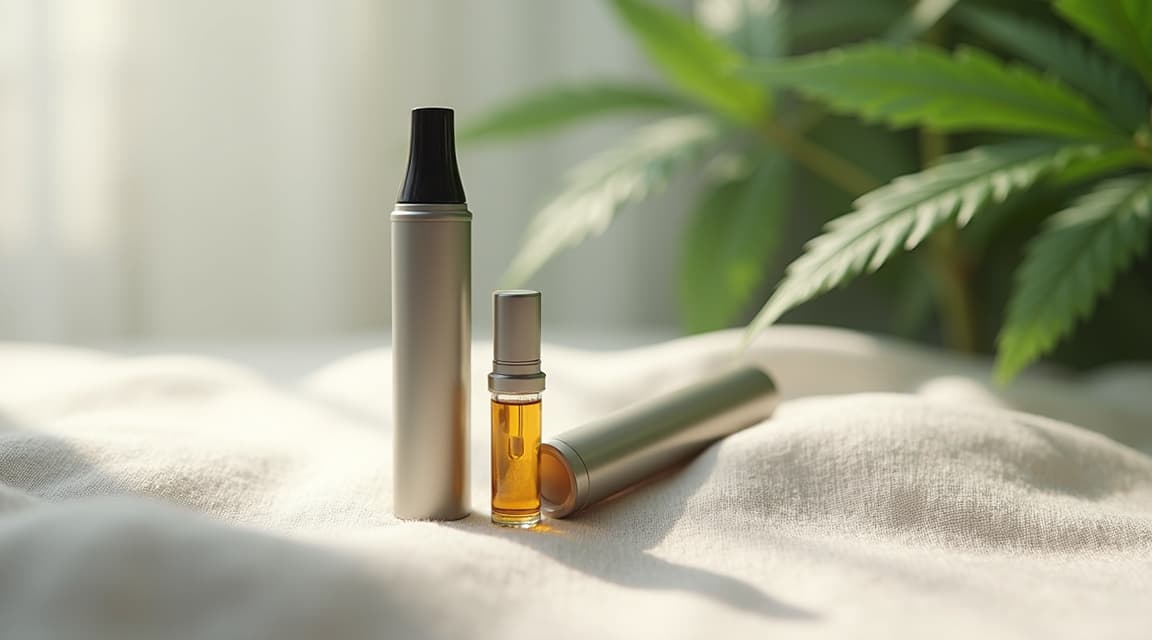
CBD vape pens are typically self-contained, often disposable or rechargeable, all-in-one devices designed for simplicity and portability. They come pre-filled with CBD e-liquid and are ready to use right out of the box, making them an attractive option for beginners or those seeking maximum convenience.
These pens usually feature a non-refillable tank and a built-in battery, providing a straightforward experience without the need for assembly or maintenance. While convenient, the integrated nature means less flexibility in terms of e-liquid choice or component replacement.
Vape Cartridges: The Modular Approach
CBD vape cartridges, by contrast, are pre-filled containers of CBD e-liquid that attach to a separate, reusable battery, often referred to as a 510-thread battery due to the standardized connection. This modular design offers users more flexibility and a potentially longer-term investment.
Users can switch out cartridges to try different CBD formulations, potencies, or flavors, while keeping the same battery. This approach can be more cost-effective over time and allows for greater customization of the vaping experience.
What's in the E-Liquid? Key Ingredients
The contents of CBD vape e-liquids are paramount to both efficacy and safety. Typically, they consist of CBD extract (isolate, broad-spectrum, or full-spectrum) suspended in a carrier liquid, most commonly a blend of Propylene Glycol (PG) and Vegetable Glycerin (VG).
Other ingredients may include natural or artificial flavorings and terpenes, which are aromatic compounds found in cannabis that can contribute to the 'entourage effect.' Reputable brands prioritize transparency, often listing all ingredients and providing third-party lab reports to verify purity and potency. Research continues to explore the mechanisms through which CBD interacts with the body's endocannabinoid system, with studies suggesting potential anxiolytic effects and its role in modulating various physiological processes. Furthermore, a 2019 review in Frontiers in Pharmacology highlighted CBD's wide range of potential therapeutic applications, from neuroprotection to anti-inflammatory properties, underscoring the broad interest in its compounds. Discover more about ongoing cannabinoid research and its implications.
The Importance of Third-Party Lab Testing
Ensuring the quality and safety of CBD vape products hinges significantly on third-party lab testing. These independent analyses verify the CBD content, confirm the absence of harmful contaminants like heavy metals, pesticides, residual solvents, and microbial impurities, and provide a comprehensive cannabinoid profile.
Always look for a Certificate of Analysis (CoA) from an accredited lab before purchasing any CBD vape product. This transparency empowers consumers to make informed decisions about what they are inhaling. This article is for informational purposes only and is not medical advice. Consult a healthcare professional before starting CBD, especially if you take medication or have a medical condition.
Vaping Safety and Best Practices
Beyond ingredient verification, safe vaping practices are essential. Always use devices as instructed by the manufacturer, ensuring proper charging and storage of batteries to prevent malfunctions. Avoid overheating the e-liquid, as this can degrade cannabinoids and potentially create unwanted byproducts.
It is also crucial to purchase products from reputable vendors who adhere to strict manufacturing standards. If you experience any adverse effects, discontinue use and consult a healthcare professional. Responsible usage contributes significantly to a positive experience.
Choosing Between Pens and Cartridges
The choice between a CBD vape pen and a cartridge system often comes down to personal preference and lifestyle. If convenience, discretion, and a no-fuss experience are priorities, a disposable or pre-filled vape pen might be ideal for you.
However, if you value customization, long-term cost-effectiveness, and the ability to experiment with different strains or potencies, a reusable battery with interchangeable cartridges offers greater flexibility. Consider your usage habits and desired level of involvement when making your selection.
Regulatory Landscape and Consumer Protection
The regulatory environment for CBD vape products varies significantly across jurisdictions. In the United States, federal law permits hemp-derived CBD with less than 0.3% THC, but state-level regulations can differ, impacting sales and product types. Consumers should stay informed about the evolving legal status of CBD in the USA.
Similarly, consumers in the European Union should be aware of specific regional regulations regarding novel foods and cannabis-derived products, which influence what can be legally sold and purchased. The lack of universal standards emphasizes the importance of buying from trusted brands that prioritize transparency and third-party testing.
Practical Takeaways and FAQ
Navigating the CBD vape market requires an informed approach. Prioritize products with clear third-party lab reports, understand the ingredients in your e-liquid, and choose a device that aligns with your lifestyle and preferences. Whether you opt for the simplicity of a vape pen or the versatility of cartridges, knowledge is your most powerful tool for a safe and satisfying experience. For those interested in other forms of CBD, such as CBD oils or edibles, a wide range of options are available.
FAQ
Q: Are CBD vapes legal everywhere?
A: The legality of CBD vapes varies significantly by country and even by state or region within countries. While hemp-derived CBD is legal in many places, specific regulations regarding vaping products can differ. Always check local laws before purchasing or using CBD vape products.
Q: How quickly do CBD vapes work compared to other CBD products?
A: Vaping CBD offers one of the fastest onsets of effects because CBD is absorbed directly into the bloodstream through the lungs. Users typically report feeling effects within minutes, whereas edibles can take 30 minutes to two hours, and tinctures fall somewhere in between.
Q: What's the difference between full-spectrum and isolate CBD in vape liquids?
A: Full-spectrum CBD vape liquids contain all the cannabinoids, terpenes, and other beneficial compounds found in the hemp plant, including trace amounts of THC (below 0.3%). Isolate CBD, on the other hand, is pure CBD with all other plant compounds removed. Broad-spectrum CBD contains multiple cannabinoids and terpenes but no THC.

Will Clarkson is the founder and editor-in-chief of cbdproducts.pro, with a background in biomedical science and more than five years working hands-on in the CBD industry. He sets editorial standards across the site — including the product-testing methodology, citation requirements for health claims, third-party lab verification policy, and the medical-disclaimer framework applied to every guide. Will personally reviews all English-language flagship content, signs off on YMYL editorial policy, and coordinates the multilingual editorial team covering nine additional languages across the EU, USA, and Canada. Based in the UK, he has spoken at independent wellness-industry events on lab-testing transparency and affiliate-publishing ethics. Photo: /uploads/authors/will-clarkson.jpg.