
CBD vape
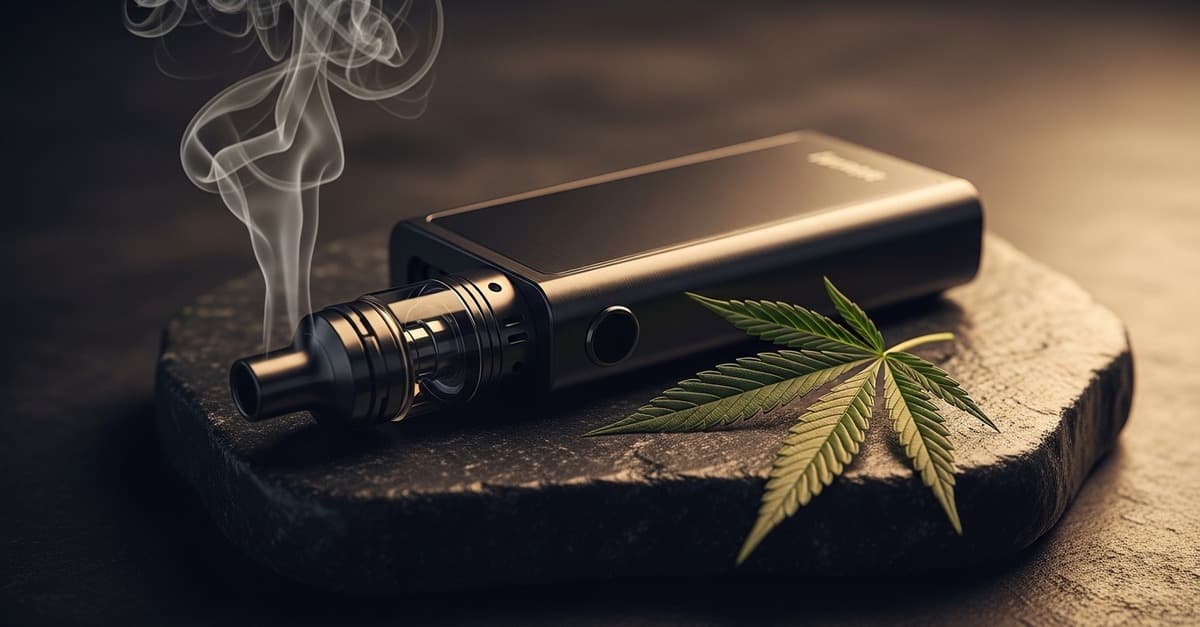
CBD Vape
CBD vaping has nudged its way into wellness culture, drawing not only those who already vape, but also curious newcomers. Stores now carry an array of CBD vape pens, e-liquids, and cartridges, each pitched as a faster route to cannabidiol. Unlike edibles, these devices bring CBD to the lungs directly. Many shoppers—according to research—hunt for options outside conventional painkillers or ways to wind down. Maybe plain old curiosity explains some of the buzz. Still, the CBD vape space hasn’t dodged controversy. Safety, legal questions, and murky quality standards keep popping up in the discussion.
What is CBD Vape?
CBD vapes cover any inhalable product containing hemp-derived cannabidiol. Instead of swallowing a dropper of oil, users pick up battery-powered vaporizers that heat a liquid or a solid wax until it turns into vapor. Most vape formulas blend CBD extract with a carrier, usually either vegetable glycerin or propylene glycol. Aromas from flavor additives or natural cannabis terpenes sometimes sneak in. Many say effects kick in within minutes, which, combined with convenience, explains the appeal for some.
Cannabidiol itself comes from cannabis plants—mainly hemp, which the law defines as containing less than 0.3% THC. CBD has zero buzz on its own, but researchers think it interacts with the body’s endocannabinoid system, perhaps influencing stress, pain, or how relaxed people feel. The science? Still messy. Demand hasn’t slowed.
Why Do People Vape CBD?
Motivations run the gamut. Some reach for CBD vapes hoping to smooth out stress, while others look for help with sleep or nagging pain. For a lot of people, the act of vaping transforms the experience—a little ritual, more social than popping a capsule or biting a gummy. The speed matters most. Inhaled CBD dashes straight to the bloodstream through lung tissue. Eating a gummy or swallowing oil? That takes a while—sometimes more than an hour. For people craving near-instant relief, the wait isn’t worth it.
Users describe feeling calm, less worried, or lighter on pain after a few puffs. It's hard to untangle what causes these sensations: CBD’s chemistry, deep breathing, or just believing it’ll work. We think the truth’s probably a mix of those. Clinical research on inhaled CBD remains slim, but demand hasn’t blinked.
Types of CBD Vape Products
In vape stores or browsing online, the choices get dizzying. Here’s the short list:
- CBD vape pens: Disposable, pre-filled, and simple to use. Great for first-timers, but the toss-away design means more battery waste.
- CBD vape cartridges: Preloaded containers that click onto rechargeable vape pens. More sustainable, usually broader flavor options.
- CBD vape juice/e-liquid: Bottled liquids for refilling tank devices. Suits people tweaking flavors or dialling in their dose.
- CBD concentrates: Solid extracts vaporized with dab pens. Pack a punch, so not exactly beginner-friendly.
Labels confuse things: “Full-spectrum” keeps extra cannabis bits, including traces of THC. “Broad-spectrum” drops THC. “Isolate” means pure CBD—just the molecule and nothing else. Some swear full-spectrum blends work better due to a so-called “entourage effect,” though studies haven’t settled that score.
Potential Benefits of Vaping CBD
Talk around CBD centers on therapeutic hopes. Animal research and tiny trials in humans suggest CBD interacts with pathways tied to pain, mood, and sleep. Vapes? They skip the gut and liver, so more CBD may actually hit the bloodstream. Numbers from research put inhaled CBD’s bioavailability around 56%, while eating it lands between 13%-19%.
That means a new user could feel effects within minutes, not hours. People often say they’re less anxious or restless after a session. How much of that stems from real pharmacology, and how much comes from hopes and expectations? Nobody knows for sure, honestly. People react differently.
Vaping also lets users ramp up slowly, taking a puff and giving it time to see what’s enough. Swallowing a supplement never offers that kind of control.
Risks and Safety Concerns
Marketing for CBD vapes always looks slick, but safety hitches remain. No two brands guarantee the same quality. U.S. regulators haven’t set strict rules, which leaves the door wide open for all sorts of problems. One study from 2020 found nearly half the CBD vapes sampled didn't contain the advertised amount—or any CBD at all.
Contaminants pose a bigger problem. Pesticides, leftover solvents, even heavy metals have appeared on lab reports. Once or twice, tests even turned up synthetic cannabinoids. These findings cast a shadow over the whole industry. The 2019 scare over lung injuries, linked to vitamin E acetate in illegal THC vapes, deepened fears—leaving everyone jumpy about vaping, period.
Even reputable CBD vapes include propylene glycol or vegetable glycerin. Both get green lights for eating, but little research exists on what happens when you inhale them long-term. There’s buzz about “popcorn lung,” a rare condition tied to certain e-liquid additives in regular vapes. So far, CBD vapes haven’t been directly blamed, but the risks can’t be called zero. CBD itself can cause dry mouth, drowsiness, diarrhea. High doses sometimes mess with medications, blood thinners especially. Reactions to carrier ingredients or flavorings may hit sensitive users. Talking with a health professional before starting a vape routine? Always smart.
Legal Landscape
The 2018 Farm Bill opened the door for hemp-derived CBD—if it tested below 0.3% THC. Beyond that, the law gets weird. In some states, vaping any CBD is illegal. Others allow it, but only under strict rules or age limits. Carrying a CBD vape across state lines can end in legal headaches. Federal law isn’t the only game in town.
Travel abroad gets riskier. Some European countries allow vaping CBD, others treat it almost like THC. Rules keep changing, and anyone packing a CBD pen into their luggage without checking local laws risks trouble—up to confiscation or worse in strict countries.
Shopping Tips and Red Flags
With dozens of brands fighting for attention, smart shopping matters. Researchers and watchdogs push for these basics: Always pick brands that publish third-party lab tests, often labeled as “COAs” or certificates of analysis. These should confirm exactly how much CBD is present, and screen out nasties like pesticides or heavy metals. Ingredient lists deserve close reading. Skip products with mystery chemicals or synthetic additives. Watch out for wild health claims, or anything promising miracle cures. Price sometimes hints at quality, but sometimes it’s just hype. Research helps—so does buying from companies with a track record, not fly-by-night online shops.
Expert perspectives
“CBD vaping delivers a higher rate of absorption compared to oral products, but the lack of unified quality standards in the market puts consumers at risk.” — Dr. Janet Kim, Department of Pharmacology, University of Michigan
“We still don’t have long-term studies on the pulmonary effects of inhaling CBD, but we know contaminants can cause real harm. Lab reports matter more than brand hype.” — Dr. Marcus Rios, National Center for Cannabis Health, Denver
“I see patients drawn to CBD vapes for anxiety and pain, yet I caution them about legal and safety uncertainties. Informed choices start with transparent labeling.” — Dr. Eliza Foster, Integrative Medicine Clinic, Seattle
Frequently asked questions
Q? How fast will I feel CBD vape effects?
A For most users, effects may show up within one to three minutes of inhaling due to rapid absorption in the lungs.
Q? Can CBD vape get me high?
A Pure CBD doesn’t cause a high, as it contains almost no THC. Some full-spectrum products might have traces, but not enough to trigger intoxication in most people.
Q? Is CBD vape legal everywhere in the US?
A Federal law allows hemp-derived CBD below 0.3% THC, but state rules can ban or restrict vaping. Always check local laws before buying or using.
Q? What are the main health risks with CBD vapes?
A Problems include poor product quality, inaccurate labeling, possible contaminants, and little data on long-term inhalation. Some people also experience side effects like drowsiness or dry mouth.
Q? How can I find a safe CBD vape?
A Look for brands with third-party lab results, clear ingredients, and a solid history. Avoid wild claims and mystery additives. If in doubt, ask a healthcare provider.