
Does CBD Oil Expire? Shelf Life, Storage, and Spotting a Degraded Bottle
The Longevity of Your CBD Oil: An Essential Guide
In an era where wellness products are increasingly integrated into daily routines, understanding the longevity of items like CBD oil has become paramount. With the global CBD market projected to exceed $40 billion by 2028, consumers are naturally curious about ensuring their investment remains effective and safe over time, prompting essential questions about product shelf life.
Just like other natural health supplements derived from botanical sources, CBD oil is not immune to the passage of time. While it doesn't "spoil" in the same rapid way fresh food does, its potency, flavor profile, and overall quality can degrade gradually over months and years, impacting its intended efficacy.
The Basics of CBD Oil Shelf Life
Typically, an unopened, properly stored bottle of CBD oil can maintain its integrity for 12 to 24 months from its manufacturing date. This timeframe, however, is a general guideline, highly dependent on various intrinsic factors inherent to the product itself and the extrinsic conditions of its storage environment.
This means that while a "best by" date offers a solid reference point, consumer practices play an equally significant role in preserving the oil's quality. Understanding these nuances is key to maximizing the value of your CBD purchase.
Key Factors Influencing Longevity
The specific composition of your CBD oil plays a crucial role in determining its inherent shelf life. The type of carrier oil chosen, such as MCT oil, hemp seed oil, or olive oil, significantly influences stability, with MCT oil often providing a longer lifespan due to its inherent resistance to oxidation and rancidity.
Furthermore, the quality of the CBD extract itself—whether it's a full-spectrum extract containing a range of cannabinoids and terpenes, a broad-spectrum variant, or a pure isolate product—and the sophisticated extraction method used (e.g., supercritical CO2 extraction) can also contribute significantly to how well the vital cannabinoids resist degradation over time.
The Role of Packaging
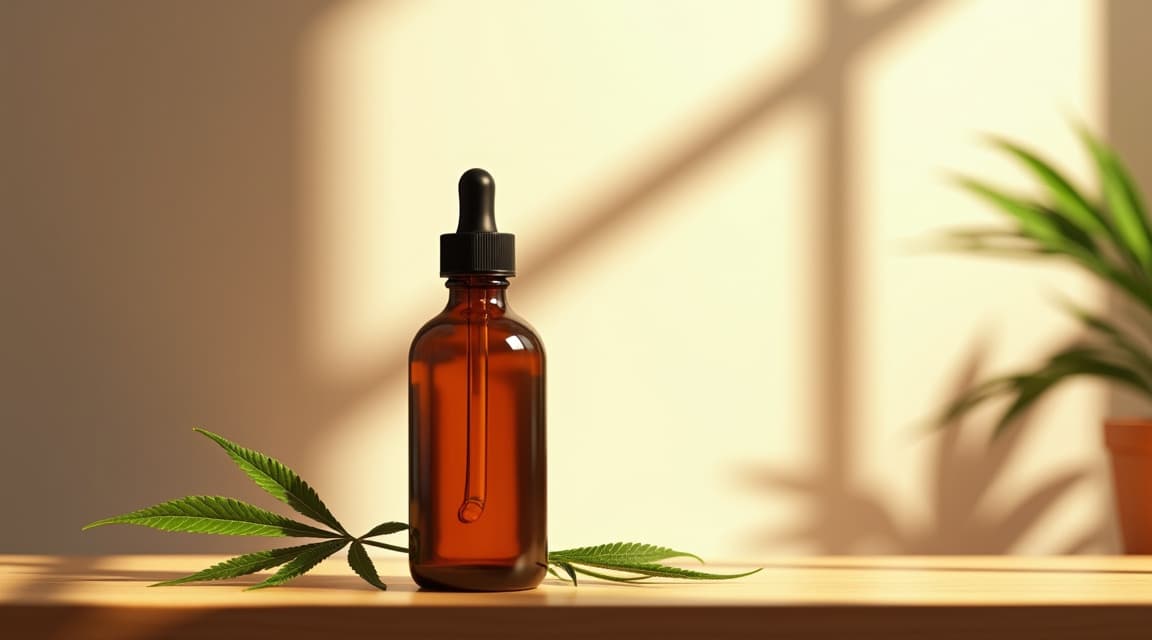
The container your CBD oil comes in is not merely an aesthetic choice; it serves as a critical protective barrier against environmental degradation. Dark, opaque glass bottles are the industry standard for a compelling reason, as they effectively shield the oil from harmful UV light and significantly limit exposure to atmospheric oxygen, both major catalysts for cannabinoid breakdown.
Conversely, clear glass or plastic containers offer substantially less protection. Plastic, in particular, can be permeable to air and may even leach microscopic chemical compounds into the oil over extended periods, potentially compromising both the product's integrity and its long-term safety profile.
Optimal Storage Conditions
To maximize the shelf life and preserve the efficacy of your CBD oil, meticulous storage is paramount. The ideal environment is a consistently cool, dark place, carefully shielded from direct sunlight, excessive heat fluctuations, and high humidity, which can all accelerate spoilage. A pantry, a dedicated cupboard, or even a drawer can serve as an excellent, stable storage spot.
While refrigeration is not always strictly necessary for all CBD formulations, it can be particularly beneficial for some, especially those utilizing more volatile carrier oils or if you reside in a very warm, humid climate. Always consult the manufacturer's specific recommendations for premium CBD oil products to ensure optimal preservation.
Spotting Signs of Degradation
Even with diligent optimal storage, it remains prudent to periodically inspect your CBD oil for any subtle or overt signs of degradation. Key visual indicators include noticeable changes in color, such as a darker, cloudier, or unusually murky appearance compared to when it was first purchased, or a distinct shift in consistency, becoming either unusually thick and viscous or uncharacteristically thin.
Perhaps the most telling and immediate sign of spoilage is a significant change in its characteristic smell or taste. Fresh, high-quality CBD oil typically possesses an earthy, sometimes grassy or subtly nutty aroma. If it develops a rancid, sour, metallic, or an unusually strong, unpleasant odor, it is a clear and unequivocal signal that the oil has likely spoiled and should, under no circumstances, be consumed.
Loss of Potency, Not Just Spoilage
Beyond outright spoilage, where the oil becomes visibly or olfactorily unpalatable, the primary concern with expired CBD oil is the gradual degradation of its active cannabinoid compounds. While consuming slightly degraded oil is generally not considered harmful in a toxicological sense, its intended therapeutic effectiveness will be significantly diminished.
The delicate cannabinoid molecules, including CBD itself, naturally break down over time into less active or inactive forms, reducing the concentration of the beneficial compounds. This means you might not experience the desired wellness effects, rendering the product less valuable and potentially ineffective, even if it doesn't appear entirely "off" or rancid.
Understanding Expiration Dates
Most reputable CBD manufacturers, adhering to quality control standards, meticulously provide a "best by" or "expiration" date clearly printed on their product packaging. These dates are meticulously established through rigorous stability testing and serve as a reliable guideline for consumers, indicating the period during which the product is expected to maintain its stated potency, purity, and overall quality.
It's critically important to remember that these dates assume the product has been stored correctly under ideal conditions and, crucially, remains unopened. Once the seal is broken and the product is exposed to air, the process of oxidation can accelerate degradation, so it's often recommended to consume the product within 6-12 months of opening, irrespective of the printed expiration date.
The Science Behind Degradation
The degradation of CBD and other delicate cannabinoids is a complex chemical process primarily driven by environmental stressors. Prolonged exposure to light, elevated temperatures, and atmospheric oxygen are the main catalysts that initiate and accelerate the breakdown of these compounds into less active or entirely inactive forms. For instance, cannabidiol (CBD) can undergo oxidation, leading to a reduction in its potential therapeutic efficacy.
Ongoing research on cannabinoid stability, frequently published on authoritative platforms like PubMed, continually explores these intricate chemical pathways and the factors influencing them. This scientific understanding emphasizes the paramount importance of proper product formulation, meticulous packaging, and optimal storage conditions to preserve the integrity of CBD products, informing both manufacturers and discerning consumers on best practices for longevity and effectiveness.
This article is for informational purposes only and is not medical advice. Consult a healthcare professional before starting CBD, especially if you take medication or have a medical condition.
When in Doubt, Throw it Out
Ultimately, if you harbor any significant doubts about the freshness, the potential potency, or the overall safety of your CBD oil, it is always the wisest course of action to err on the side of caution and responsibly discard it. While consuming slightly degraded CBD oil is generally not expected to cause acute harm, it will most certainly fail to provide the intended wellness benefits you sought.
Investing in high-quality CBD products from trusted sources and diligently adhering to proper storage guidelines ensures you extract the maximum value and efficacy from your purchase. For further insights into product quality, regulatory standards, and cutting-edge research, consider exploring resources from reputable CBD research institutions.
Practical Takeaways
To confidently ensure your CBD oil remains optimally effective and safe throughout its intended lifespan, always store it diligently in a cool, consistently dark place, ideally within its original dark glass bottle. Pay close attention to the "best by" date provided by the manufacturer, but also crucially trust your own senses: any distinct or significant changes in color, smell, or consistency are unequivocal indicators it's time to consider acquiring a fresh bottle.
By conscientiously following these straightforward yet essential guidelines, you can confidently integrate CBD into your personal wellness routine, thereby maximizing the therapeutic value and efficacy of every single drop. Regular visual and olfactory checks, coupled with informed decisions, are absolutely key to ensuring a consistently positive and beneficial experience with your CBD products.
FAQ
Q: Can I still use CBD oil if it's past its expiration date?
A: While consuming CBD oil slightly past its "best by" date is generally not considered harmful, its cannabinoid potency will have significantly diminished, meaning it may not provide the desired effects. For optimal efficacy, quality, and peace of mind, it's typically recommended to replace oil that is past its stated expiration date, especially if you observe any changes in its appearance or aroma.
Q: Does refrigerating CBD oil extend its shelf life?
A: For many CBD oils, particularly those formulated with less stable carrier oils or if you reside in a consistently warm or humid climate, refrigeration can indeed help slow down the natural degradation process by reducing exposure to heat. However, it is always crucial to consult the manufacturer's specific instructions, as some oils may become excessively thick or cloudy in cold temperatures, potentially affecting usability.
Q: How can I definitively tell if my CBD oil has gone bad or degraded?
A: You can definitively tell if your CBD oil has degraded by observing several key indicators: look for noticeable changes in color (it might become darker, cloudier, or murky), consistency (it could become unusually thick, separated, or watery), and most importantly, smell or taste (a fresh oil has an earthy aroma, but a degraded one might smell rancid, sour, metallic, or unusually strong and unpleasant). If any of these signs are present, it's a strong indication that the oil has spoiled and should be discarded.

Will Clarkson is the founder and editor-in-chief of cbdproducts.pro, with a background in biomedical science and more than five years working hands-on in the CBD industry. He sets editorial standards across the site — including the product-testing methodology, citation requirements for health claims, third-party lab verification policy, and the medical-disclaimer framework applied to every guide. Will personally reviews all English-language flagship content, signs off on YMYL editorial policy, and coordinates the multilingual editorial team covering nine additional languages across the EU, USA, and Canada. Based in the UK, he has spoken at independent wellness-industry events on lab-testing transparency and affiliate-publishing ethics. Photo: /uploads/authors/will-clarkson.jpg.