Does CBD Help with Arthritis?
Does CBD Help with Arthritis? Step into a modern pharmacy and you’ll see the shelves lined with tinctures, topical creams, gummies—all bearing the letters “CBD.” That stands for cannabidiol, a chemical found in cannabis plants. Its popularity has grown fast, with people all over claiming relief from pain, anxiety, and sleeplessness. Still, the science trails […]
Does CBD Help with Arthritis?
Step into a modern pharmacy and you’ll see the shelves lined with tinctures, topical creams, gummies—all bearing the letters “CBD.” That stands for cannabidiol, a chemical found in cannabis plants. Its popularity has grown fast, with people all over claiming relief from pain, anxiety, and sleeplessness. Still, the science trails behind the marketing. So, does CBD actually help people with arthritis? With millions seeking ways to manage daily stiffness, swelling, and that relentless ache, the question keeps popping up.
CBD’s Rising Profile Among Arthritis Patients
Arthritis affects tens of millions throughout the United States. Living with it often means stiff mornings, puffy joints, and a daily grind through pain. People cycle through the usual list: Tylenol, prescription painkillers, steroid injections, therapy, and sometimes surgery. Side effects and drowsiness tag along, and for many, nothing seems to do the trick. CBD, advertised as a plant-based solution, offers the glimmer of drug-free relief without the mind-altering effects of THC. That difference matters for folks who want to stay clear-headed.
Rheumatoid arthritis and osteoarthritis, among other joint diseases, can either provoke the immune system to attack healthy tissue or simply degrade cartilage over time. The outcome? More pain and swelling. CBD has made headlines because of its anti-inflammatory potential. Stories flood the internet about active grandparents ditching canes or athletes tossing out pain gels. These claims sound compelling, maybe even too optimistic. But what’s actually backed up by research?
Understanding CBD and Its Effects
Cannabidiol is just one of more than a hundred chemicals present in cannabis sativa plants. Unlike THC, it will not get anyone high. Hemp, by federal definition, contains minimal THC and serves as the primary source for most CBD extracts. Scientists know that CBD interacts with the body’s endocannabinoid system—a network that helps regulate things like pain, mood, and immune responses—but exactly how remains uncertain. Some experts suggest CBD tweaks receptor signals, possibly influencing how pain and inflammation get processed.
Animal experiments show some promise. Laboratory mice with joint inflammation got CBD and then showed fewer visible symptoms. Other experiments in petri dishes hint at CBD’s ability to interfere with certain immune chemicals. But human biology does not always mirror animal models, so translating these results into real-world relief remains tricky.
What Human Research Actually Shows
Medical journals do not overflow with large-scale, controlled studies on CBD and arthritis. The FDA only authorizes one CBD drug—Epidiolex—used for rare seizure issues, not arthritis. Some small clinical trials tested CBD in combination with THC in patients living with multiple sclerosis. A 2016 review noticed that cannabinoids might ease pain in MS and rheumatoid arthritis, but most improvements were minor and side effects like nausea or dizziness cropped up in several patients. Many of these projects blended CBD with other cannabis compounds, so isolating what CBD alone can do proves difficult.
One large 2019 survey polled over 2,600 people with arthritis who tried CBD. Of those, almost 80% reported feeling less pain or sleeping better. Yet, there was no placebo control or blinding, making it tough to know if the effect was chemical or simply mental. Numbers that high grab attention, but for now, hope and expectation may play a sizable role.
The Arthritis Foundation has started to mention CBD in its official guidance. It tells patients to loop in doctors before starting CBD and points out the lack of rigorous studies and possible risks from drug interactions. Few discuss CBD use—or ideal dosing—with medical professionals, but those conversations can shape outcomes in a meaningful way, especially for anyone juggling complex health needs.
CBD Products for Arthritis: What to Know
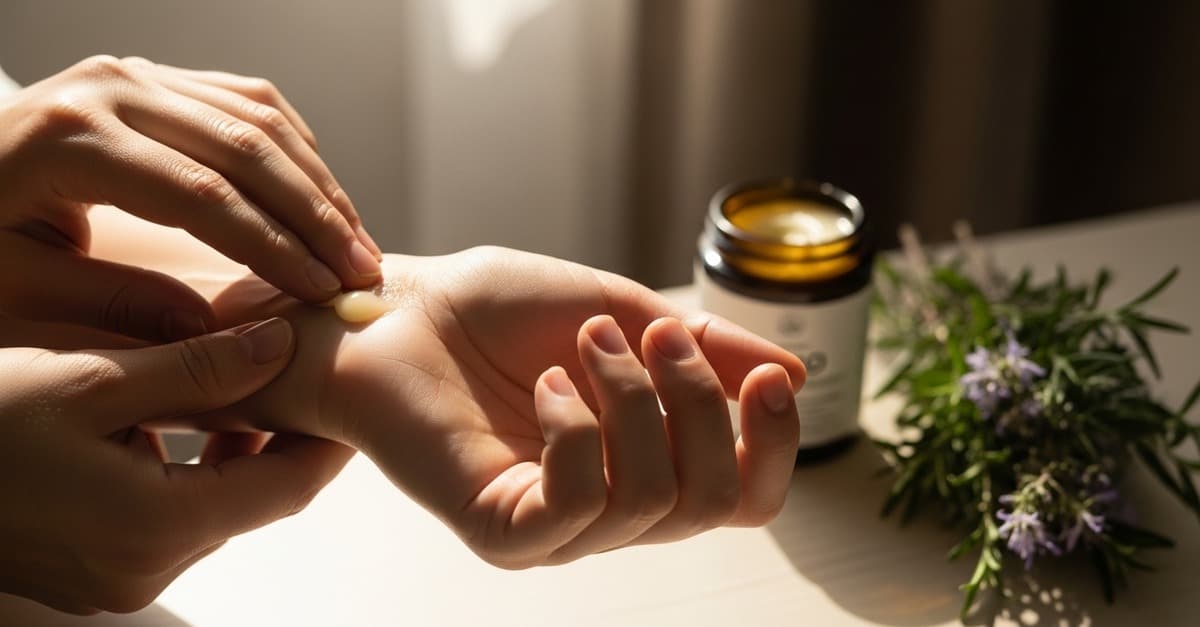
Anyone walking the “wellness” aisle finds the options overwhelming: CBD tinctures, capsules, gummies, creams, balms. Some folks prefer rubbing cream on sore spots, hoping direct application brings targeted relief. But the skin keeps most compounds at bay, leaving the effectiveness of creams in question. Research does not wholly agree on whether enough CBD actually slips through the skin to matter.
Oils and capsules deliver CBD into the bloodstream, offering another route—better, maybe, for those with widespread aches. There’s no consensus among medical experts about which method wins out. So, picking a format tends to revolve around what feels right or fits best with someone’s lifestyle rather than hard science.
Figuring out dose? That’s another puzzle. Over-the-counter CBD comes with no official guidelines. Most specialists urge starting with a low amount—maybe 5 to 10 milligrams a day—then slowly increasing over a month or more, all the while tracking results. Some evidence points to higher daily doses (over 30 to 50 milligrams) for real impact, but many people see some effect at much lower levels. Journaling symptoms can help spot trends.
No FDA regulation means label promises can stretch the truth. A 2022 survey found more than half of CBD products tested didn’t match their advertised amount. Hidden THC or other unwanted extras might sneak in. Third-party lab certificates offer some reassurance—but not every seller provides them. Even the most careful shoppers wind up guessing.
Side Effects and Safety Concerns
CBD usually gets described as gentle, but nobody gets a free pass. Dry mouth turns up a lot. Dizziness, appetite shifts, or just feeling tired might also happen. For some, especially with pre-existing health problems or at higher doses, diarrhea or changes in liver function have shown up—rare, but documented.
Interactions with other drugs, especially those processed by the liver (like blood thinners or certain antidepressants), raise flags. Because of loose oversight, some CBD batches end up tainted with heavy metals or pesticides, or contain more THC than the law allows. If you want to try CBD, hunt for brands posting clear ingredient lists and independent lab results. Until rules catch up, trust comes at a premium.
Legal Issues and Insurance
The 2018 Farm Bill legalized hemp-based CBD with under 0.3% THC nationwide. State rules still vary, creating confusion and, sometimes, headaches. Some restrict sales or require buyers to be a certain age. Health insurers almost never pay for CBD—even when prescribed—which leaves most buyers footing the bill. Use over weeks or months and those costs add up, especially for people on tight budgets. Researchers say better policies could help, someday. For now, access is hit-or-miss.
Expert Guidance Remains Cautious
Ask a roomful of rheumatologists about CBD and most say the same thing: promising, but we need bigger, better clinical trials. They want to see randomized studies comparing CBD with sugar pills. For now, most guidance hangs back. If you plan to give CBD a chance, talk it over with your doctor. Stay skeptical. Set realistic goals. Write down what you notice. Back off if side effects creep in. Maybe, down the line, CBD will carve out a clear role in arthritis care. For now, patience and skepticism seem like smart company.
Everyday Experiences: People with Arthritis on CBD
Online forums and social media buzz with stories. Susan, 64, lives with osteoarthritis. She posted online about sleeping through the night after using just a tiny dose of CBD oil. James, a carpenter in his forties, swears by rubbing CBD cream on sore wrists before each shift. “Not a miracle,” he admits, “but enough that I don’t dread mornings anymore.” Testimonials like these stack up, fueling both curiosity and skepticism among people desperate for answers.
Expert perspectives
“While animal studies remain promising, human research on CBD for arthritis is still in its infancy. Patients should approach these products with cautious optimism and always communicate with their healthcare provider.”
— Dr. Linda Meyers, Rheumatology, New York University
“We’ve seen a steady rise in interest around CBD, but I always remind patients that products are poorly regulated. Some contain less CBD than advertised, others far more. Quality and safety should guide every decision.”
— Dr. Michael Tran, Internal Medicine, Cleveland Clinic
“Most evidence supporting CBD for arthritis comes from patient anecdotes, not controlled trials. This makes it tough to recommend CBD as a first-line therapy, but I acknowledge many patients report subjective improvement.”
— Dr. Priya Shah, Clinical Pharmacology, Stanford Health Care
Frequently asked questions
Can CBD cure arthritis?
No. There is no scientific evidence showing CBD cures any form of arthritis. It may help with symptoms for some people, but it does not stop disease progression or repair joint damage.
How long does it take to feel relief from CBD?
It varies. Some report improvement in days, others after several weeks. Tracking symptoms and dose in a journal can help identify patterns.
Is CBD safe to use with other arthritis medications?
Maybe, but interactions can happen—especially with drugs processed by the liver. Always check with your doctor before adding CBD to your regimen.
What’s the best way to take CBD for arthritis pain?
There is no consensus. Some prefer topical creams for targeted pain, others sublingual oils or capsules for body-wide effects. Personal preference and symptom patterns usually guide the choice.
Can you fail a drug test from using CBD?
Most pure CBD products contain very little THC, but labeling mistakes and contamination happen. There’s a risk of a positive drug test if a product has more THC than listed on the label.
5 / 5 (1)

Steve Perry is a health and wellness journalist with over 8 years of experience covering the CBD industry. He specializes in product reviews, cannabinoid research, and evidence-based guides that help consumers make informed choices. Based in Portland, Oregon.