
Is Vaping CBD Safe? What We Know About Hardware, Cutting Agents, and Heat
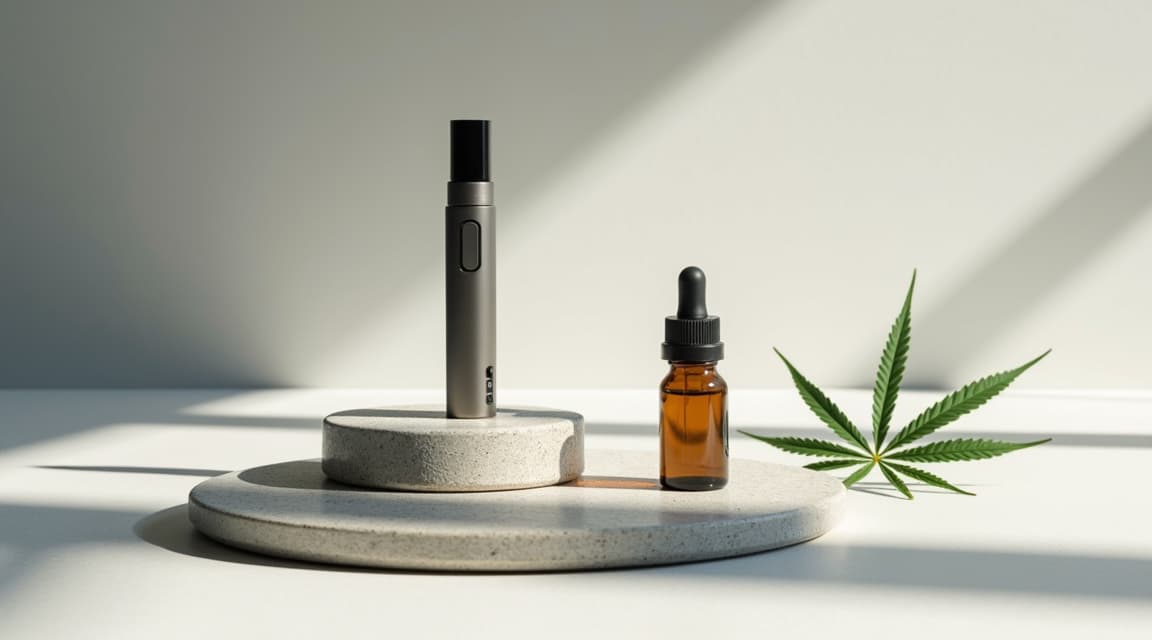
Introduction: Unpacking the Vaping CBD Conundrum
The 2019 outbreak of E-cigarette or Vaping Product Use-Associated Lung Injury (EVALI) served as a stark reminder of the complexities inherent in inhaled products, prompting widespread concern and scrutiny. While CBD vaping products were not the primary cause, the incident highlighted the critical need for transparency and understanding regarding all vapeables.
As CBD continues its ascent in wellness circles, the question of whether vaping cannabidiol is truly safe remains a top priority for consumers. This article delves into the intricate factors that determine the safety profile of CBD vaping, from the construction of the hardware to the chemical composition of e-liquids and the effects of heat.
The Appeal and Rise of Vaping CBD
Vaping has become a popular method for consuming CBD, largely due to its rapid onset of effects and high bioavailability compared to other consumption methods. When CBD is vaped, it enters the bloodstream almost immediately through the lungs, offering a quick response that many users seek.
This efficiency makes CBD vape products particularly attractive for those looking for quick support, whether for daily wellness or specific moments of need. However, this direct route to the lungs also necessitates a higher standard of safety and ingredient scrutiny.
Dissecting CBD Vape Hardware: Beyond the Aesthetics
The device used to vaporize CBD oil plays a crucial, often overlooked, role in its safety. Vape pens and cartridges consist of several components, including batteries, atomizers, and heating coils, which are typically made from various metals like nickel, chromium, or even lead, and sometimes ceramics.
Substandard or poorly manufactured hardware can pose risks, as these materials, especially when heated to high temperatures, may leach heavy metals or other toxins into the vapor. Consumers should seek products from reputable brands that specify the materials used in their hardware and ideally provide third-party testing results for heavy metals.
The Critical Role of Cutting Agents
To create a vapeable consistency, CBD extracts are often diluted with cutting agents or carrier liquids. Common examples include Propylene Glycol (PG), Vegetable Glycerin (VG), Medium-Chain Triglycerides (MCT oil), and, notoriously, Vitamin E Acetate.
While PG and VG are generally recognized as safe for ingestion and are widely used in food and cosmetics, their long-term safety when inhaled is still under investigation. MCT oil, too, has raised concerns when inhaled, as it is a lipid and can potentially accumulate in the lungs. Vitamin E Acetate, a thickening agent, was strongly linked to the EVALI outbreak, with a 2019 study published in The New England Journal of Medicine identifying it as a chemical of concern. Reputable CBD vape products explicitly avoid this additive.
Heat and Chemical Transformation: What Happens When You Vape?
The act of vaping involves heating a liquid to a temperature where it turns into an inhalable aerosol. This process, while seemingly simple, can induce complex chemical reactions. When cutting agents like PG and VG are heated to high temperatures, they can thermally degrade, potentially forming harmful byproducts such as aldehydes (e.g., formaldehyde, acetaldehyde).
The temperature at which a CBD vape is used, often controlled by the device's wattage, directly influences the potential for these chemical transformations. Understanding the optimal temperature range for vaporizing CBD without degrading its compounds or creating harmful substances is vital for both manufacturers and users.
The Imperative of Third-Party Testing and Transparency
Given the complexities of hardware, cutting agents, and heat, third-party laboratory testing is not just a recommendation—it's a necessity for CBD vape products. These tests provide an unbiased analysis of the product's contents, verifying cannabinoid potency and confirming the absence of harmful contaminants.
Consumers should always look for a Certificate of Analysis (CoA) that details results for pesticides, heavy metals, residual solvents, mycotoxins, and microbial contaminants. The CoA should also confirm the absence of Vitamin E Acetate and other harmful cutting agents. This level of transparency empowers consumers to make truly informed decisions about their purchases, whether for CBD oils or vape cartridges.
This article is for informational purposes only and is not medical advice. Consult a healthcare professional before starting CBD, especially if you take medication or have a medical condition.
Navigating the Regulatory Labyrinth and Consumer Protection
The regulatory landscape for CBD products, particularly vapeables, remains fragmented and evolving across different jurisdictions. In the US, the FDA has not yet approved CBD for use in food or vape products, leading to a patchwork of state-level regulations. In many EU member states, CBD products are subject to varying national laws, and the Novel Food Catalogue designation impacts market access.
This lack of consistent federal oversight places a greater burden on consumers to research and choose brands committed to safety and quality. Organizations like the European Food Safety Authority (EFSA) and the World Health Organization (WHO) continue to review CBD safety, but specific guidance for vape products is still developing. For more information on legal statuses, you can explore resources like our CBD legal status guide for the USA.
Best Practices for Vaping CBD Safely
To mitigate potential risks, consumers should adopt several best practices. First, always purchase CBD vape products from reputable brands that provide comprehensive third-party lab reports. Second, understand the ingredients in your vape liquid, ensuring it contains only CBD extract and safe, approved carrier oils like PG/VG in appropriate ratios, explicitly avoiding Vitamin E Acetate and MCT oil.
Third, use appropriate hardware designed for CBD vaping and maintain it properly. Avoid excessively high temperatures, as this can increase the risk of thermal degradation. For a deeper dive into safe usage, consult our CBD vape guide. Finally, consider starting with a low dose and gradually increasing it to find what works best for you, while monitoring for any adverse effects.
Practical Takeaways: Empowering Your Choices
The safety of vaping CBD is not a simple yes or no answer; it hinges on a confluence of factors including product quality, hardware integrity, and informed usage. While vaping offers distinct advantages in terms of onset and bioavailability, it also demands a higher degree of consumer vigilance.
By prioritizing products with clear third-party lab results, understanding the role of cutting agents, and being mindful of heating temperatures, consumers can significantly reduce potential risks. For those seeking alternatives, other CBD product forms like oils or capsules offer different absorption profiles without inhalation concerns. Continued research, such as that explored by leading CBD research institutions, will further refine our understanding of safe CBD consumption methods.
FAQ
Q: Is vaping CBD inherently dangerous?
A: Vaping CBD is not inherently dangerous, but its safety is highly dependent on the quality of the product, the ingredients in the vape liquid (especially cutting agents), and the hardware used. Poorly manufactured products or those containing harmful additives can pose risks. Always choose products from reputable brands with verifiable third-party lab testing.
Q: What should I look for on a CBD vape product label or CoA?
A: On a CBD vape product label, look for the CBD content, ingredient list (avoiding Vitamin E Acetate and MCT oil), and manufacturing details. The Certificate of Analysis (CoA) should confirm cannabinoid potency, and crucially, test for contaminants like heavy metals, pesticides, residual solvents, and mycotoxins. A comprehensive CoA is a hallmark of a trustworthy product.
Q: Are there safer alternatives to vaping CBD for quick effects?
A: While vaping offers the fastest onset, sublingual CBD oils (drops under the tongue) provide relatively quick absorption, typically within 15-30 minutes, and bypass the respiratory system entirely. Other methods like edibles or capsules have a slower onset but offer longer-lasting effects and are generally considered very safe consumption methods.

Will Clarkson is the founder and editor-in-chief of cbdproducts.pro, with a background in biomedical science and more than five years working hands-on in the CBD industry. He sets editorial standards across the site — including the product-testing methodology, citation requirements for health claims, third-party lab verification policy, and the medical-disclaimer framework applied to every guide. Will personally reviews all English-language flagship content, signs off on YMYL editorial policy, and coordinates the multilingual editorial team covering nine additional languages across the EU, USA, and Canada. Based in the UK, he has spoken at independent wellness-industry events on lab-testing transparency and affiliate-publishing ethics. Photo: /uploads/authors/will-clarkson.jpg.