
CBD capsules
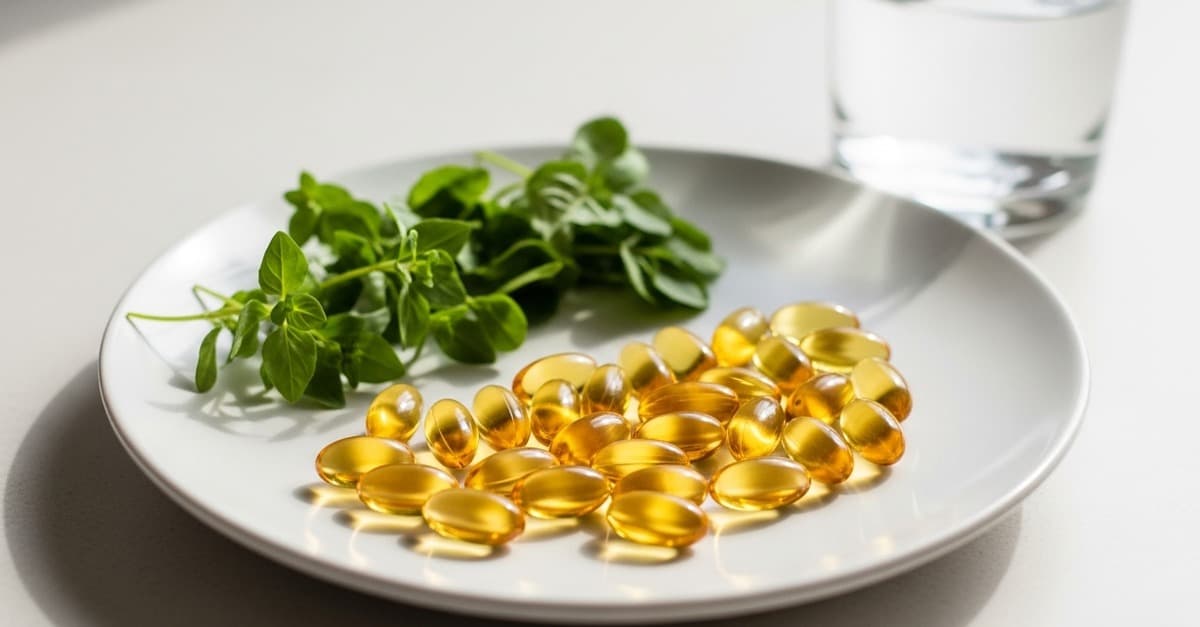
CBD Capsules
Modern life puts most people in the spotlight, often with little room to address private issues. Whether crowded on a train, sharing an office, or catching up with friends in a busy café, there’s rarely a discreet second for personal routines. People managing health conditions know the drill: swallowing a pill or taking medicine often means ducking from curious glances. For many, self-consciousness dominates. CBD capsules shift this dynamic, making personal care easy and barely noticeable, even on the busiest days.
CBD capsules repackage familiar hemp extracts into a fuss-free form. Instead of tinkering with dropper bottles and oily liquids, users get measured doses sealed in soft, sometimes flavor-coated shells. Each capsule holds a blend of compounds from industrial hemp—mainly cannabidiol (CBD), with the tiniest trace (or none at all) of THC, the substance linked to cannabis’ psychoactive effects. Leading brands, such as Greenroads, offer options that come THC-free, relying on CBD isolate to avoid the risk of intoxication.
The manufacturing process splits into steps. First, suppliers extract oil from hemp. This concentrated liquid forms the foundation for both CBD oil and encapsulated versions. Producers often blend this oil with carrier agents or subtle flavors, improving texture and making the capsules easier to swallow. Some add other natural oils for improved absorption. Companies like Greenroads offer clear, labeled products: Relax capsules, Sleep capsules, and softgels, each listing 25 mg per pill and reliably packaged in groups of 30.
Medical research and user feedback point to potential health benefits. Capsules, loaded with active CBD, show promise in addressing a wide array of problems. Anxiety—whether tied to daily stress or more entrenched disorders—may respond to regular use. Many people struggling with age-related mood changes or the hurdles of adolescence report feeling steadier. Clinical studies suggest CBD could supplement treatment for neurodegenerative illnesses, like Alzheimer’s or Parkinson’s, by restoring depleted endocannabinoids in the brain.
Doctors also look at CBD’s anti-inflammatory properties. Acne, joint pain, and certain precancerous conditions seem to improve with cannabinoids. While no health authority calls CBD a cancer cure, lab findings hint at positive effects: it might slow tumor spread and ease tough chemo side effects. The underlying mechanism? Chemotherapy wipes out good and bad cells, reducing natural endocannabinoids and tipping the body out of balance. CBD steps in, helping calm nerve activity and restore a sense of physiological order.
Digestive complaints, pain syndromes, and irregular heart rhythms often have ties to inflammation or nervous system burnout. According to research, CBD capsules possibly support normal gut function and may provide some relief from both physical pain and emotional tension. Their effects touch multiple body systems, which sets them apart from many single-action medications.
Why capsules over oil? Five practical reasons keep popping up. First, dosage accuracy. With liquid drops, shaky hands or a distracted mind easily sabotage the right amount. Capsules offer pre-measured doses, often between 10 and 25 mg each. This lets users track what they’re taking and adjust if needed. Second, taste and smell. Anyone sensitive to hemp’s earthy notes will find capsules mercifully bland, unless the manufacturer adds a dash of flavor. The third point is privacy. Capsules look like any supplement or vitamin, making them all but invisible at work or on public transport—no stares, no awkward explanations.
Number four: storage. Unlike CBD oil, which sometimes needs cold storage to stay fresh, capsules shrug off heat and last longer in most conditions. No special care is required. Finally, there’s portability. Companies bottle the capsules in compact, sturdy packaging. Toss them in a purse, backpack, or leave a bottle in your desk drawer. There’s no mess, no leaks, no glass to shatter if you drop it. Getting CBD into your schedule suddenly feels effortless.
CBD capsules don’t cut corners on quality or effectiveness. For many, they deliver a quiet boost to well-being—just in a way that sidesteps attention and simplifies life. Whether you’re after better sleep, less pain, or steadier moods, capsules offer a logical, discreet path forward. They remain one of the more adaptable choices for those who want to fit treatment into a fast-moving world without missing a beat.
Expert perspectives
Dr. Laura Jensen, cannabinoid researcher at UCLA, says, “CBD capsules make it easier for patients to maintain consistent dosing, which helps us study potential benefits more closely without variables like mismeasurement.”
“Encapsulated CBD appeals to a broad range of people who may have avoided other forms because of taste or dosing confusion,” reports Dr. Michael Cabrera, a clinical pharmacologist at NYU Langone Health.
According to Dr. Sara Feldman, neurologist at Stanford, “Preliminary evidence supports using CBD capsules for anxiety and inflammation, but patients should consult healthcare professionals about interactions with other therapies.”
Frequently asked questions
What is the main difference between CBD capsules and CBD oil?
CBD capsules contain the same extract as CBD oil but in pre-measured doses encased in soft shells, making them easier to use discreetly and accurately.
Do CBD capsules contain THC?
Most reputable brands offer capsules with CBD isolate, which means they contain no THC. Others may contain very low, non-psychoactive amounts, but always check the label.
Are there side effects to taking CBD capsules?
Most people tolerate CBD well, but mild effects like drowsiness, dry mouth, or digestive upset are possible. Start low and monitor your body’s reaction.
Can CBD capsules help with anxiety or sleep?
Research suggests CBD may support anxiety reduction and improved sleep. Many users report positive effects, though more large-scale studies are ongoing.
How should CBD capsules be stored?
Keep them at room temperature in a dry place. Unlike some oils, capsules don’t require refrigeration and stay stable for months.