
Sleep Gummies vs. Daytime Gummies: Deciphering the CBD:CBN Label for Targeted Wellness
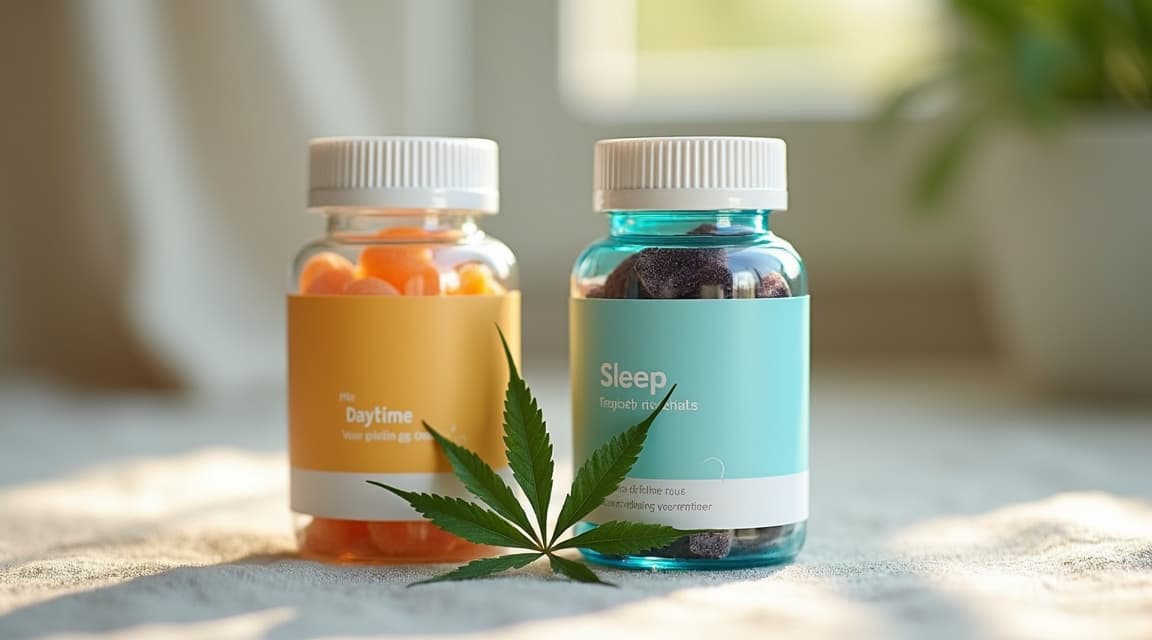
The Rise of Targeted Cannabinoid Formulations
In recent years, the wellness market has seen a significant evolution in cannabinoid products, moving beyond general CBD offerings to highly specialized formulations. This shift reflects a growing consumer demand for precision, with many seeking specific outcomes like improved sleep quality or enhanced daytime focus, rather than broad, undefined benefits.
For instance, while a 2019 Gallup poll indicated that 14% of Americans regularly use CBD, a substantial portion of these users are now looking for products tailored to particular times of day or specific needs, leading to the proliferation of distinct 'sleep' and 'daytime' gummies.
Decoding the Cannabinoid Spectrum for Wellness
The cannabis plant is a rich source of over a hundred different cannabinoids, each interacting with the body's endocannabinoid system in unique ways. While cannabidiol (CBD) has long been the most prominent non-intoxicating compound, others like cannabinol (CBN) are gaining recognition for their distinct properties and potential applications.
Understanding the individual characteristics of these cannabinoids, and how they work synergistically, is fundamental to making informed choices about which gummy formulation best suits your personal wellness goals and lifestyle.
CBD: The Versatile Foundation of Wellness
Cannabidiol (CBD) is celebrated for its broad range of potential effects, interacting with various receptors throughout the body without inducing the 'high' associated with THC. Research suggests CBD may support a sense of calm, help manage everyday stress, and contribute to overall balance within the body.
Its versatility makes it a popular choice for general wellness, often found in daytime CBD gummies designed to be consumed throughout the day to promote a steady state of well-being without causing drowsiness or impairing cognitive function.
CBN: The Emerging Cannabinoid for Rest
Cannabinol (CBN) is a lesser-known cannabinoid that forms as THC degrades over time, and it has garnered significant attention for its potential role in promoting relaxation and sleep. While research is still in its early stages, some studies suggest that CBN may possess unique sedative properties, making it a compelling candidate for nighttime formulations.
Unlike CBD, which is often sought for its balancing effects, CBN is increasingly being isolated and concentrated specifically for its potential to support a more restful state, an area of active exploration within cannabinoid research.
Understanding "Sleep Gummies": The CBN Advantage
When you encounter "sleep gummies," the key differentiator often lies in the inclusion and concentration of CBN alongside CBD. These formulations are specifically designed to leverage CBN's potential sedative qualities, aiming to help users unwind and prepare for a night of restorative sleep.
Typically, sleep-focused gummies will feature a higher CBN content, or a specific CBD:CBN ratio, often alongside other natural sleep aids like melatonin or botanical extracts, to enhance their intended effect.
Daytime Gummies: Prioritizing Clarity and Balance
In contrast, "daytime gummies" are generally formulated with a primary focus on CBD, often in full-spectrum or broad-spectrum forms, to support general wellness without inducing drowsiness. The goal here is to provide a subtle sense of calm, mental clarity, and physical comfort that can enhance daily activities and productivity.
These gummies usually contain minimal to no CBN, ensuring that users can maintain alertness and focus throughout their day, making them suitable for morning consumption or as a mid-day pick-me-up.
This article is for informational purposes only and is not medical advice. Consult a healthcare professional before starting CBD, especially if you take medication or have a medical condition.
The Critical Role of Label Reading and Third-Party Testing
Navigating the cannabinoid market requires diligent label reading to ensure you're getting the precise formulation you need. Always check for the total CBD and CBN content per serving, as well as the specific ratio if both are present.
Furthermore, prioritize products that provide readily accessible third-party lab reports (Certificates of Analysis, or COAs), which verify the cannabinoid profile, potency, and confirm the absence of contaminants, offering transparency and peace of mind for consumers, particularly those in regions like the European Union with evolving regulations.
Full-Spectrum, Broad-Spectrum, or Isolate: The Entourage Effect
Beyond CBD and CBN ratios, understanding the spectrum of your gummy is crucial. Full-spectrum products contain all naturally occurring cannabinoids, terpenes, and flavonoids, including trace amounts of THC (under 0.3% in many jurisdictions), potentially offering an "entourage effect" where compounds work synergistically.
Broad-spectrum options contain multiple cannabinoids and terpenes but are THC-free, while isolates contain only pure CBD or CBN. Your choice here can influence the overall experience and efficacy, especially when targeting specific outcomes like sleep or general wellness, as suggested by a 2019 study in Frontiers in Pharmacology exploring the entourage effect.
Dosage and Personalization: Finding Your Sweet Spot
The optimal dosage for CBD and CBN can vary significantly among individuals due to factors like body weight, metabolism, and the severity of the condition being addressed. It is always recommended to start with a low dose and gradually increase it until the desired effects are achieved, a process known as 'titration'.
Keeping a journal of your dosage and its effects can be incredibly helpful in personalizing your cannabinoid regimen, ensuring you find the right balance for your unique physiological response and lifestyle needs.
Practical Takeaways for Informed Gummy Selection
Choosing between sleep and daytime gummies boils down to understanding the specific cannabinoids involved, primarily CBD and CBN, and their intended effects. Always scrutinize product labels for cannabinoid content and ratios, and prioritize brands that offer transparent third-party lab testing for quality assurance.
By doing so, you can confidently select the right gummy to support your wellness goals, whether you're seeking restful sleep or balanced daytime vitality, making informed decisions in an increasingly specialized market.
FAQ
Q: Can I take a sleep gummy during the day?
A: It's generally not recommended. Sleep gummies often contain CBN and sometimes melatonin, which are intended to promote relaxation and drowsiness. Taking them during the day could impair your alertness and ability to perform daily tasks safely.
Q: What's the difference between CBD and CBN?
A: CBD (cannabidiol) is widely studied for its potential to support general wellness, calm, and balance without drowsiness. CBN (cannabinol) is a cannabinoid that forms as THC degrades and is being explored for its potential sedative properties, making it a common ingredient in sleep-focused formulations.
Q: How do I know if a gummy contains CBN?
A: Always check the product label and the Certificate of Analysis (COA) provided by the manufacturer. The label should clearly list the cannabinoid content, including specific amounts of CBD and CBN per serving. If it's not listed, it likely only contains CBD or other specified cannabinoids.

Will Clarkson is the founder and editor-in-chief of cbdproducts.pro, with a background in biomedical science and more than five years working hands-on in the CBD industry. He sets editorial standards across the site — including the product-testing methodology, citation requirements for health claims, third-party lab verification policy, and the medical-disclaimer framework applied to every guide. Will personally reviews all English-language flagship content, signs off on YMYL editorial policy, and coordinates the multilingual editorial team covering nine additional languages across the EU, USA, and Canada. Based in the UK, he has spoken at independent wellness-industry events on lab-testing transparency and affiliate-publishing ethics. Photo: /uploads/authors/will-clarkson.jpg.