Sublingual, Swallowed, or Rubbed In: How CBD Absorption Methods Shape Your Experience
The Science of Delivery: Why Method Matters
As the global market for cannabidiol (CBD) continues its rapid expansion, with projections reaching tens of billions by the mid-2020s, consumers are increasingly seeking clarity on how to best utilize these products. Beyond choosing between full-spectrum or isolate, a fundamental aspect often overlooked is the method of absorption itself, which profoundly dictates how CBD interacts with your body.
Whether you place a few drops under your tongue, swallow a capsule, or apply a balm to your skin, each approach engages distinct physiological pathways, leading to variations in onset time, duration of effects, and overall bioavailability. Understanding these differences is key to tailoring your CBD regimen to your individual needs and desired outcomes.
Navigating the Endocannabinoid System
At the heart of CBD's interaction with the body lies the endocannabinoid system (ECS), a complex cell-signaling system identified in the early 1990s. The ECS plays a crucial role in regulating a wide range of physiological processes, including mood, sleep, appetite, pain sensation, and immune response, striving to maintain internal balance, or homeostasis.
CBD does not directly bind to the primary cannabinoid receptors (CB1 and CB2) in the same way as THC. Instead, it is thought to influence the ECS indirectly, potentially by modulating other receptors and enzymes, thereby supporting the system's natural functions. This intricate interplay underscores why the delivery method can significantly impact how effectively CBD reaches its targets within the ECS.
Bioavailability: The Key to Efficacy
Bioavailability refers to the proportion of a substance that enters the circulation when introduced into the body and is thus able to have an active effect. For CBD, this metric is critical because not all of the compound you consume will ultimately reach your bloodstream in an active form.
Factors such as the product's formulation, the presence of other compounds, and, most significantly, the route of administration, all play a role in determining bioavailability. A higher bioavailability means more CBD reaches its target sites, potentially leading to a more pronounced or efficient effect, even with a lower dose.
Sublingual Absorption: Under the Tongue for Rapid Onset
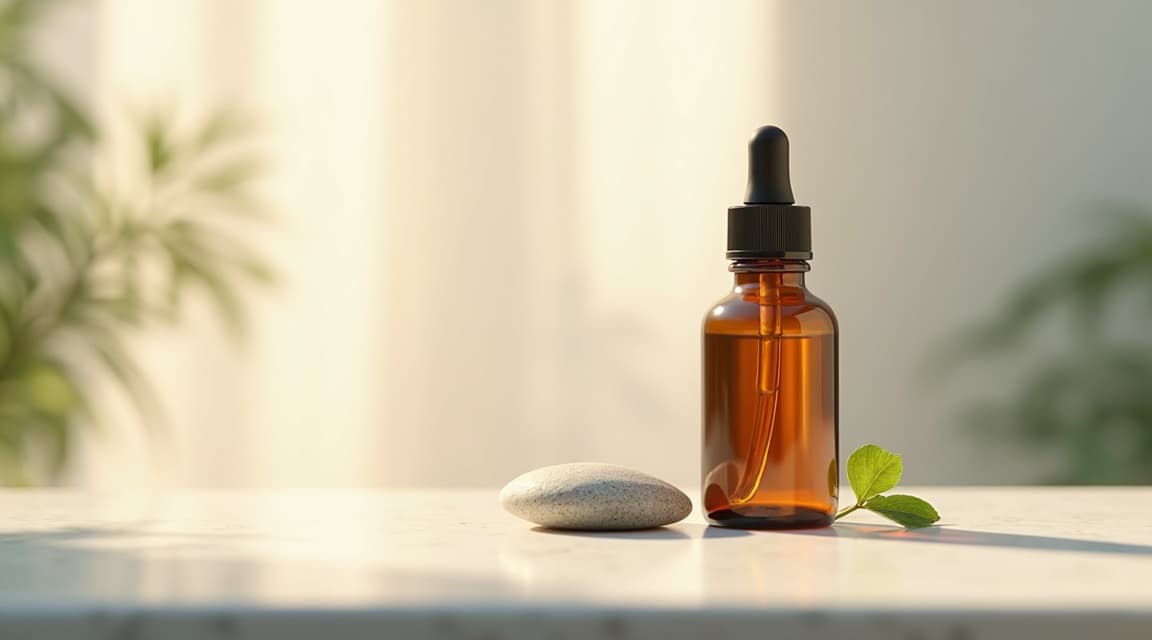
Sublingual administration, typically involving CBD oils or tinctures, is a popular method lauded for its relatively quick onset. When CBD oil is held under the tongue, the mucous membranes in the mouth, rich with capillaries, allow the cannabinoids to be absorbed directly into the bloodstream.
This bypasses the digestive system and the 'first-pass metabolism' in the liver, where a significant portion of ingested CBD can be broken down before reaching systemic circulation. Consequently, sublingual delivery generally offers higher bioavailability and faster effects compared to swallowing, with users often reporting noticeable changes within 15-45 minutes. Explore various CBD oils suitable for sublingual use.
Ingested Absorption: Swallowed for Sustained Release
Swallowing CBD products, such as capsules, edibles, or even tinctures that aren't held sublingually, means the CBD must travel through the digestive tract. Here, it is metabolized by liver enzymes before entering the bloodstream, a process known as first-pass metabolism.
While this route results in lower bioavailability and a slower onset (typically 1-2 hours), the effects tend to be more prolonged, lasting several hours as the CBD is gradually released. This method is often preferred for those seeking sustained support throughout the day or night, making CBD capsules a convenient option for consistent dosing.
Topical Absorption: Rubbed In for Targeted Relief
Topical application involves rubbing CBD-infused balms, creams, or lotions directly onto the skin. Unlike sublingual or ingested methods, topical CBD is generally not absorbed into the bloodstream in significant amounts. Instead, it interacts with cannabinoid receptors located in the skin, muscles, and local nerve endings.
This method is favored for localized effects, such as soothing muscles or joints, without producing systemic effects throughout the body. Users often choose CBD topicals for targeted comfort, with effects typically felt within minutes to an hour, lasting for several hours depending on the product and application.
This article is for informational purposes only and is not medical advice. Consult a healthcare professional before starting CBD, especially if you take medication or have a medical condition.
Comparing Absorption Rates: A Spectrum of Speed
When considering the speed at which CBD takes effect, inhalation (such as vaping) typically offers the fastest onset, often within minutes, due to direct absorption through the lungs into the bloodstream. However, for those focusing on non-inhalation methods, sublingual absorption stands out as the next quickest, bypassing the digestive system for a more direct route.
Ingested methods, while slower to take effect, provide a longer-lasting experience, which can be beneficial for consistent, all-day support. Topical application offers a unique advantage by delivering localized effects without significant systemic distribution, making it ideal for targeted areas. Educational guides can help clarify these distinctions further.
Factors Influencing Your Personal Experience
Beyond the absorption method, several individual factors can significantly influence how you feel the effects of CBD. These include your unique metabolism, body weight, the specific dosage taken, and the type of CBD product (e.g., full-spectrum, broad-spectrum, or isolate).
Full-spectrum products, which contain a range of cannabinoids, terpenes, and other plant compounds, are often associated with the 'entourage effect,' where these compounds work synergistically to enhance the overall benefits, as a 2019 study in Frontiers in Pharmacology suggests. Experimentation with different product types and dosages is often necessary to find what works best for you.
Choosing Your Method: A Practical Approach
Selecting the right CBD absorption method depends entirely on your desired outcome. If you're seeking rapid onset for acute situations, sublingual oils might be your best bet. For consistent, long-lasting support throughout the day, ingested capsules or edibles could be more suitable.
For localized discomfort, a topical balm or cream applied directly to the area of concern would be the most appropriate choice. Many users find a combination of methods, such as a daily capsule supplemented with a sublingual oil as needed, provides the most comprehensive approach. Always consider starting with a low dose and gradually increasing it while observing your body's response.
Practical Takeaways and FAQ
Understanding the nuances of CBD absorption methods empowers you to make more informed choices about your wellness journey. Each method offers distinct advantages in terms of onset, duration, and bioavailability, allowing for a personalized approach to integrating CBD into your routine. Experimentation, patience, and careful observation of your body's responses are key to unlocking the full potential of CBD.
For those in the EU market exploring options, be sure to consult product descriptions for recommended usage. Ongoing research continues to shed light on these complex interactions, further refining our understanding of CBD's potential.
FAQ
Q: What is the fastest way to feel the effects of CBD?
A: Among the non-inhalation methods, sublingual administration (holding oil under the tongue) typically offers the fastest onset, with effects often felt within 15-45 minutes, as it bypasses the digestive system and liver metabolism.
Q: Can I combine different CBD absorption methods?
A: Yes, many individuals find success by combining methods. For example, you might use a CBD capsule daily for sustained effects and supplement with a sublingual oil for quicker relief when needed, or use a topical for localized comfort.
Q: Does the type of CBD (full-spectrum, isolate) affect absorption?
A: While the type of CBD primarily influences the range of compounds present and potential 'entourage effect,' it can indirectly affect absorption. For instance, some formulations might enhance solubility or absorption rates, but the primary determinant of absorption speed and bioavailability remains the delivery method itself.

Will Clarkson is the founder and editor-in-chief of cbdproducts.pro, with a background in biomedical science and more than five years working hands-on in the CBD industry. He sets editorial standards across the site — including the product-testing methodology, citation requirements for health claims, third-party lab verification policy, and the medical-disclaimer framework applied to every guide. Will personally reviews all English-language flagship content, signs off on YMYL editorial policy, and coordinates the multilingual editorial team covering nine additional languages across the EU, USA, and Canada. Based in the UK, he has spoken at independent wellness-industry events on lab-testing transparency and affiliate-publishing ethics. Photo: /uploads/authors/will-clarkson.jpg.