What is CBD?
There is unlikely a single person who has not heard this easy-to-remember abbreviation. CBD products are among the most talked-about wellness solutions today. Their effectiveness in addressing a wide spectrum of health concerns is the stuff of legend — yet many questions remain unanswered.
So, what is CBD?
“Origin matters, but does not determine the nature.”
Let's start with a quick chemistry lesson. Only a clear understanding of the compound's composition can dispel the myths and frightening shadows that surround it.
CBD is the short form of cannabidiol — the active substance found in CBD products. Cannabidiol is a natural chemical compound that originates from Cannabis plants, widely associated with marijuana and its psychotropic effects. This origin is the basis for the majority of speculation casting a shadow on this remedy. But one should take a closer look.
First, cannabidiol is just one of over a hundred cannabinoids produced by the cannabis family. Each element has its own unique inherent properties. Using a human analogy — siblings from the same family are not necessarily identical. One child may follow the worst traits of the parents, another will represent a blend of features, and only a rare one becomes an embodiment of the best family virtues. That is the case with cannabidiol.
It could be called the best child of controversial parents. It inherited the unique ability to influence human receptors and cooperate with the nervous system — without causing any psychotropic effect.
How is it possible?
The cooperation with the nervous system is easy to grasp, even without a medical degree. CBD contains so-called endocannabinoids — elements identical to those produced naturally by the human body's endocannabinoid system.
Their mission is regulating the nervous system's responses to multiple stressors. Health problems occur when the nervous system fails to cope with its regulatory function and the production of natural regulators decreases.
CBD products are of the highest therapeutic value in this situation. They help compensate for the lack of endocannabinoids and support the natural functioning of the human body.
The non-psychotropic effect has a clear explanation too. Cannabis plants produce both psychotropic and non-psychotropic elements — better known as THC and CBD. Cannabidiol belongs to the latter, non-toxic group. It is extracted from Cannabis Sativa, or industrial hemp — grown under conditions that promote a lower level of psychoactive elements.
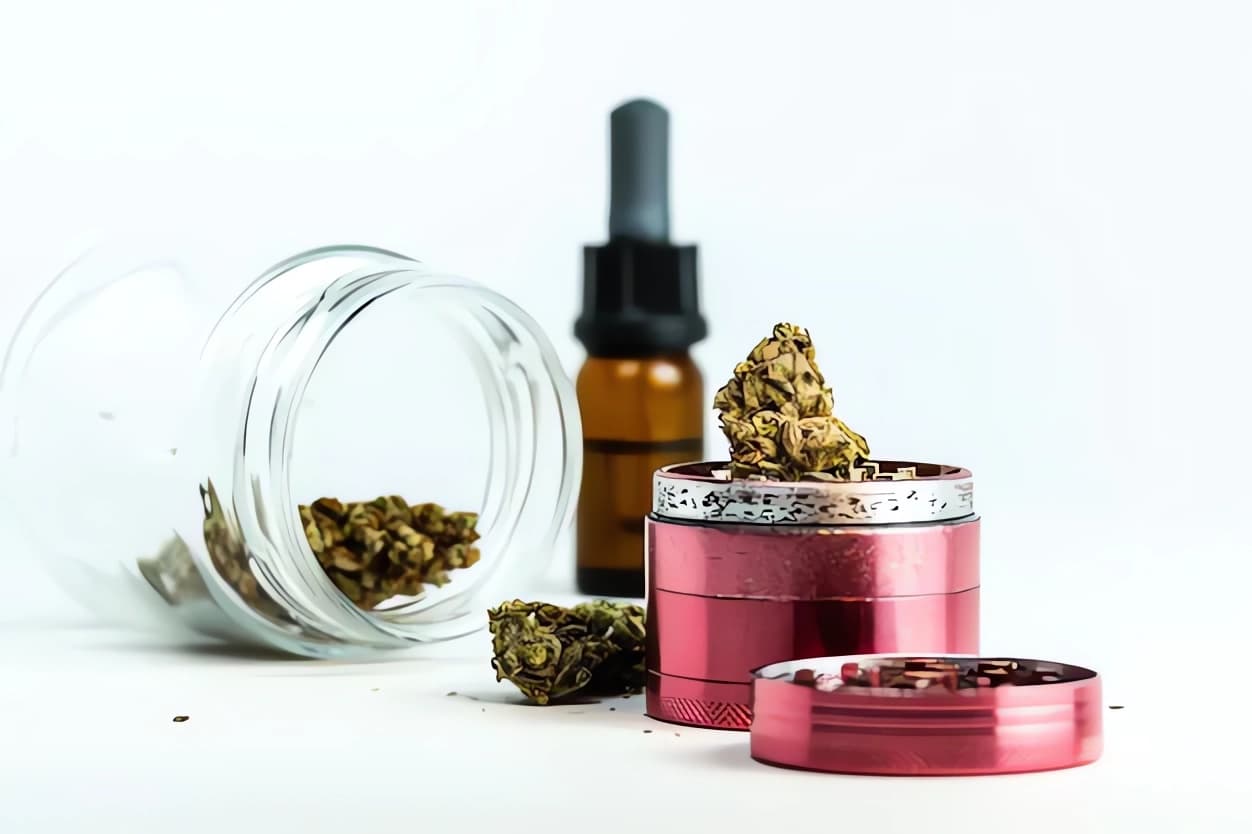
What does it look like?
CBD oil is the basic form of cannabidiol. It is further used for producing other forms of the product. Depending on individual needs and preferences, you can choose the most optimal form.
CBD Oil
The foundational form — taken sublingually with a dropper for fast absorption and precise dosing.
Capsules & Pills
Pre-dosed and convenient — perfect for consistent daily supplementation without any taste.
Gummies & Edibles
Tasty and discreet — a delicious way to enjoy CBD in various flavors and strengths.
Topicals & Creams
Applied directly to the skin — ideal for targeted relief of muscle and joint discomfort.
Vape Products
Fastest absorption method — inhaled CBD reaches the bloodstream within minutes.
CBD Isolate
Pure crystalline cannabidiol with no other compounds — ideal for sensitive individuals and precise dosing.
What is CBD used for?
CBD has attracted growing research interest for its potential neuroprotective properties. Immune, neurological, mental, and metabolic wellness are just a few areas where preliminary studies show promise.
Pain relief is the most well-known function of CBD products. It is equally effective for fighting muscle aches, chronic arthritis-related pain, and mitigating symptoms associated with serious illness.
By normalizing the functioning of the nervous system, CBD contributes to regulating sleep and anxiety. It helps cope with both situational and prolonged anxiety, and may be used as a preventive, supportive, or primary measure for neuropsychiatric and neurological conditions.
There is evidence of its effectiveness in mitigating symptoms associated with addiction recovery, and even in supporting treatment of epilepsy, Alzheimer's, Parkinson's, and other conditions.
CBD products do not demonstrate significant side effects. This makes them an excellent prophylactic option, widely used as a food supplement for overall well-being and enhancing the defensive potential of the human body.
Does CBD oil get you high?
We should disappoint those looking for well-being through euphoria: CBD oil does not get you high in any way. It represents the non-psychoactive group of elements within cannabis plants.
Although it may contain a trace of tetrahydrocannabinol (THC), the concentration is so small that it does not cause euphoria. The only "high" you will experience is the relief from pain or discomfort associated with your health concerns.
Is CBD a drug?
It is true that CBD products are not legal everywhere, which is the primary reason people question whether CBD is a drug. The issue lies in the lack of comprehensive scientific research — science cannot yet fully explain how cannabidiol affects the human body.
CBD is partially legalized in the United States (though not in every state) and the United Kingdom. The allowed THC concentration is typically less than 0.2–0.3%.
The latest developments promise further progress. In 2018, the United States adopted the Farm Bill, legalizing industrial hemp at the federal level — a breakthrough in mass adoption.
We recommend paying attention to the legal regulations in your area to ensure your safety. Always verify that CBD producers follow legislation norms and provide third-party lab testing results.
Ready to Try CBD?
Browse our curated selection of premium CBD products — oils, capsules, gummies, topicals, and more from the world's most trusted brands.
Shop CBD Products